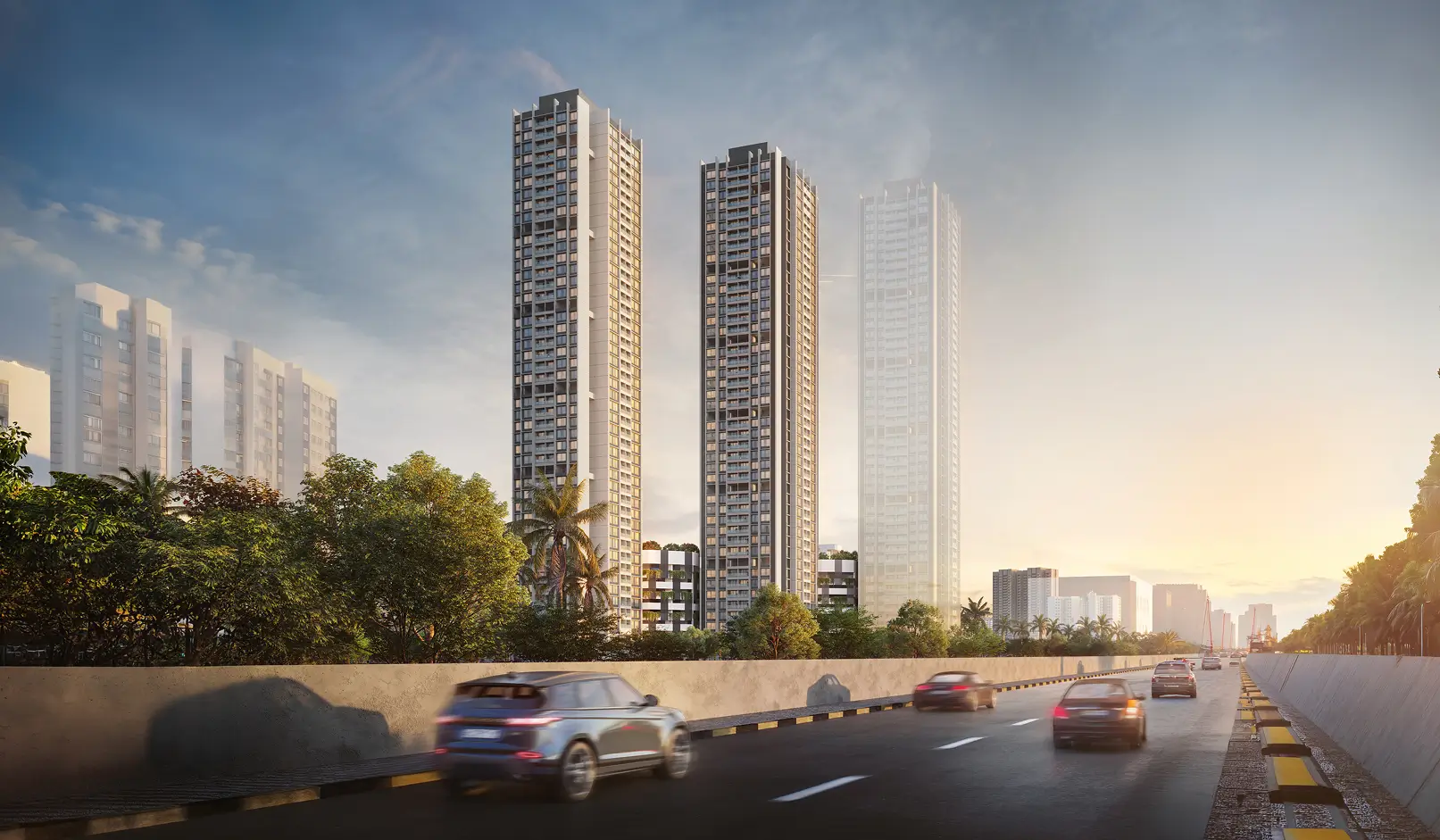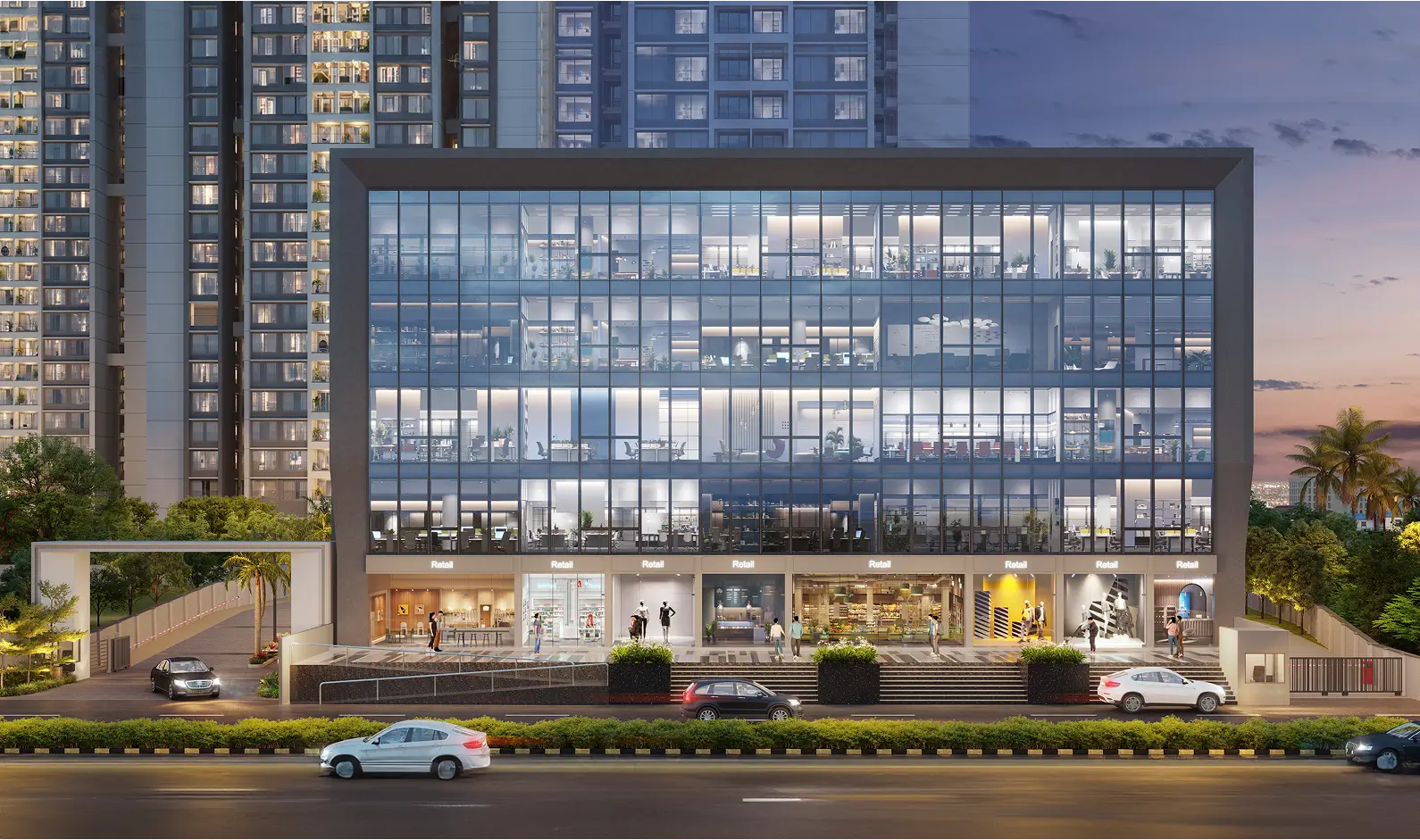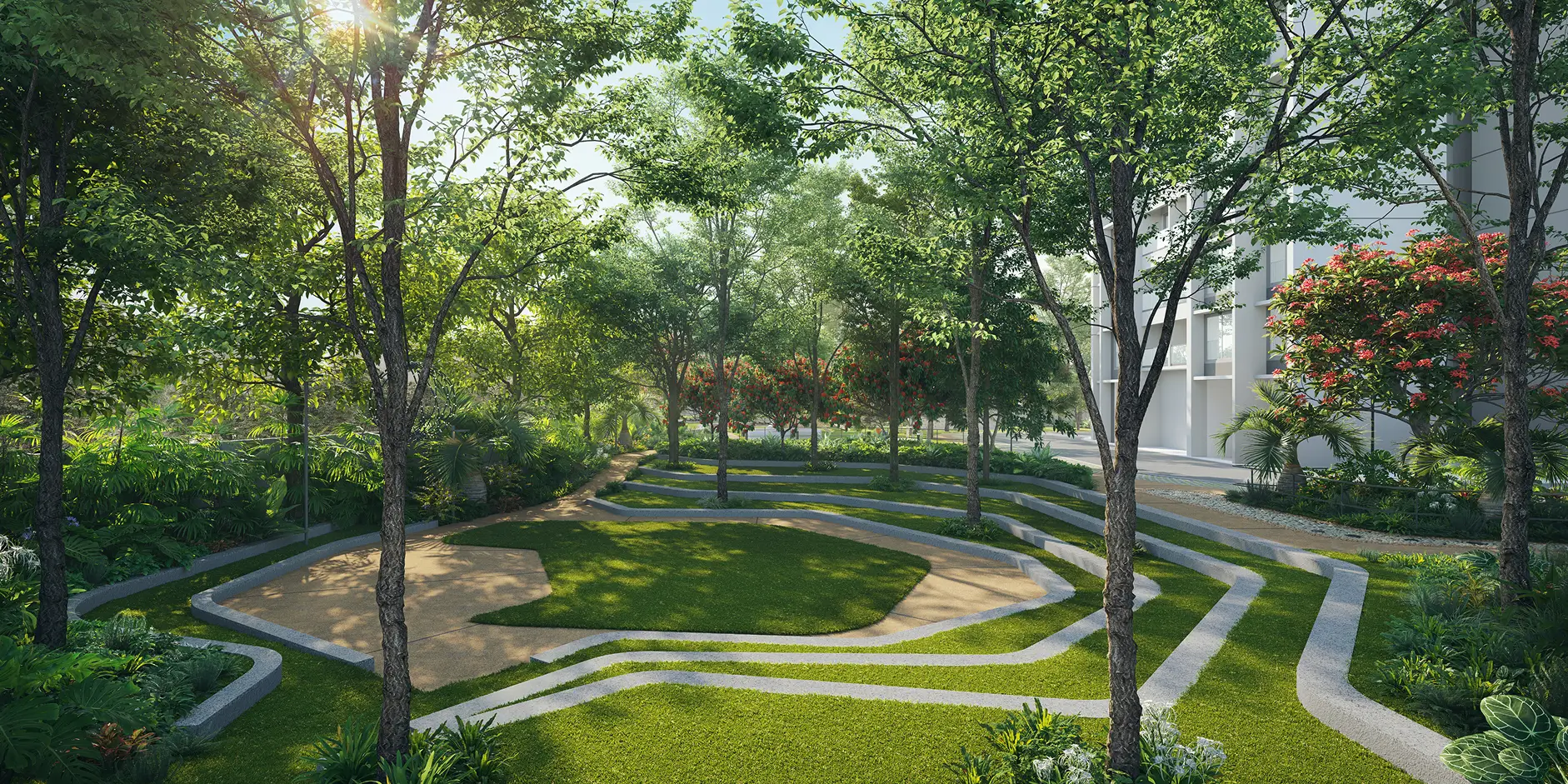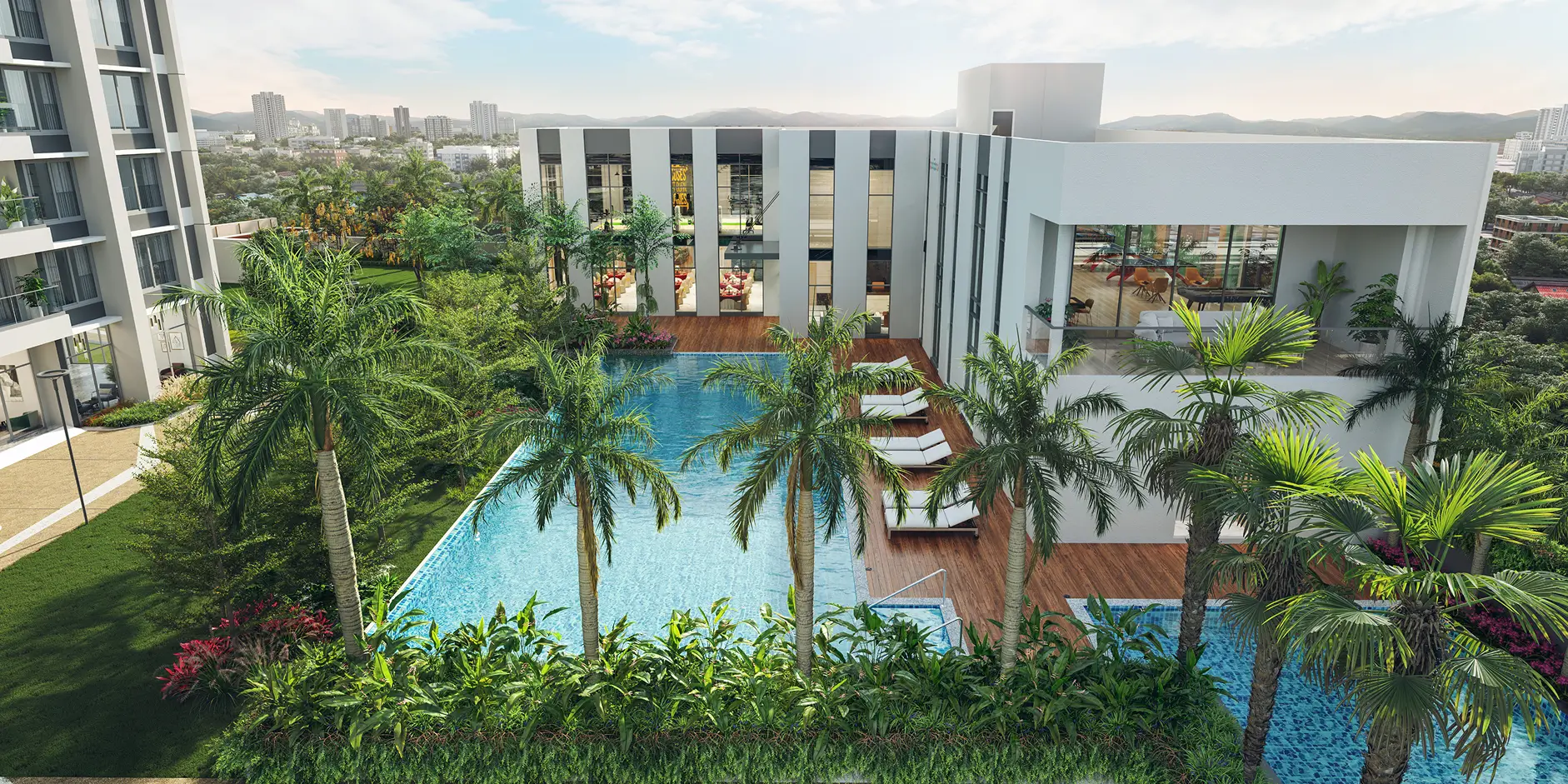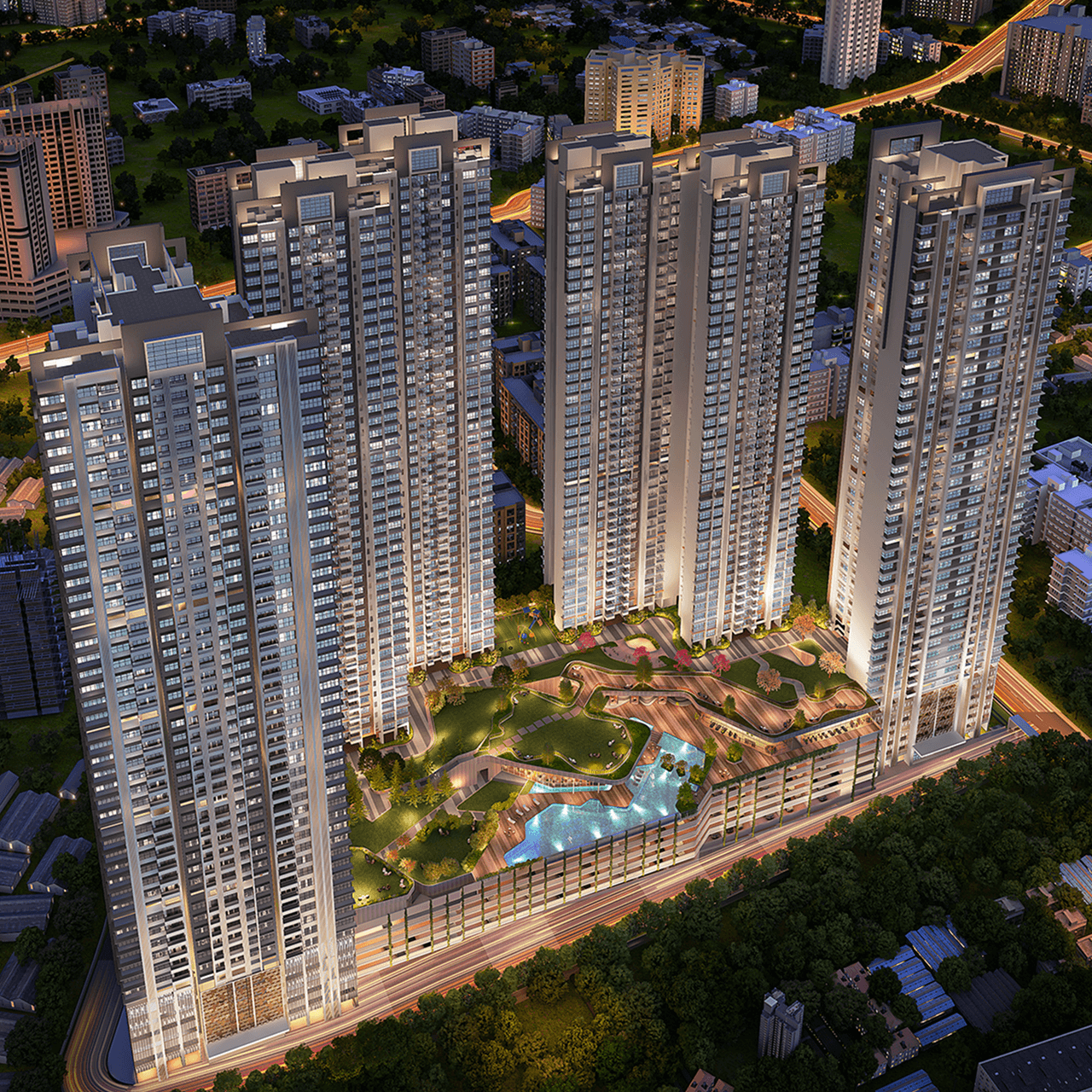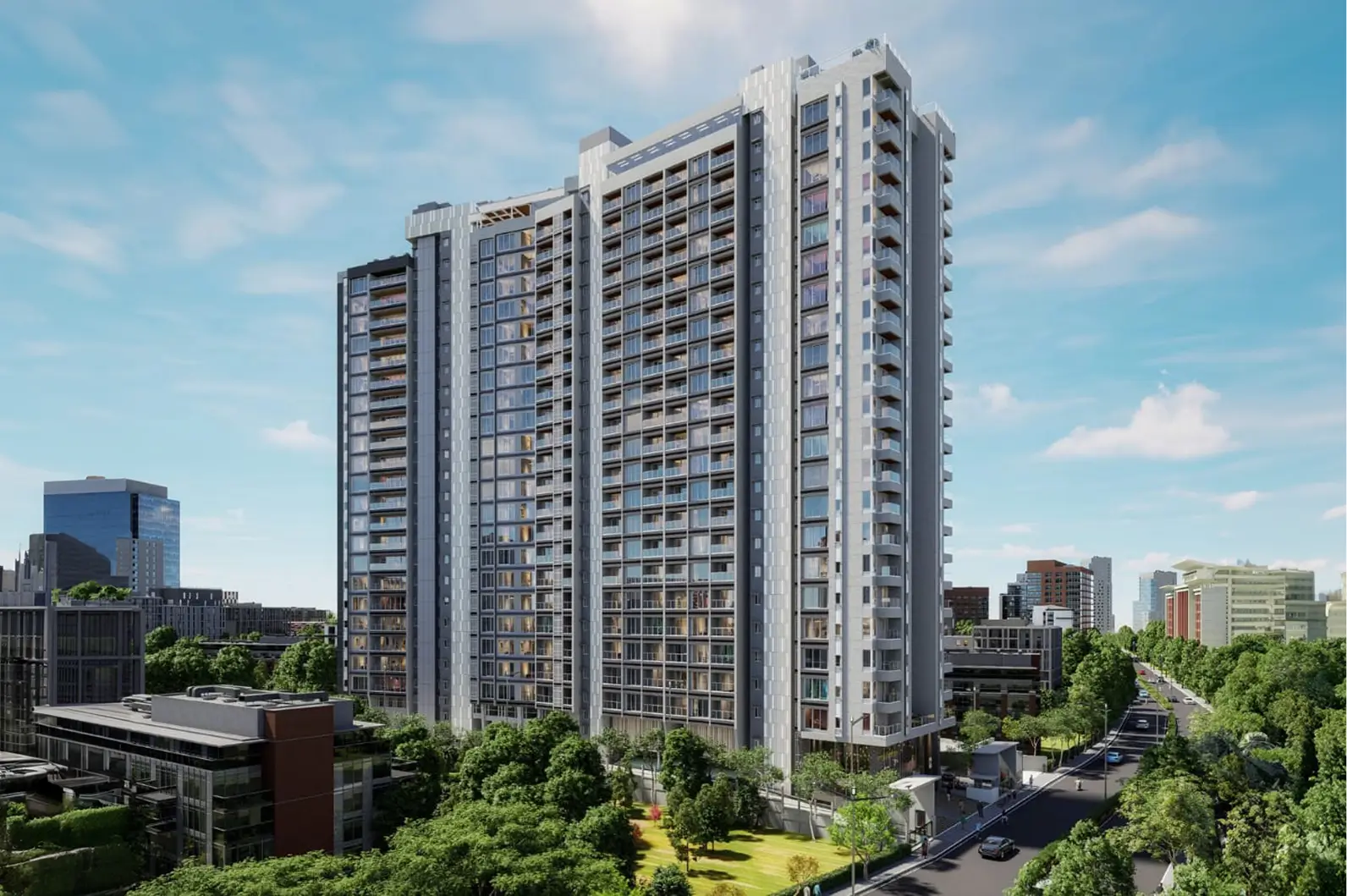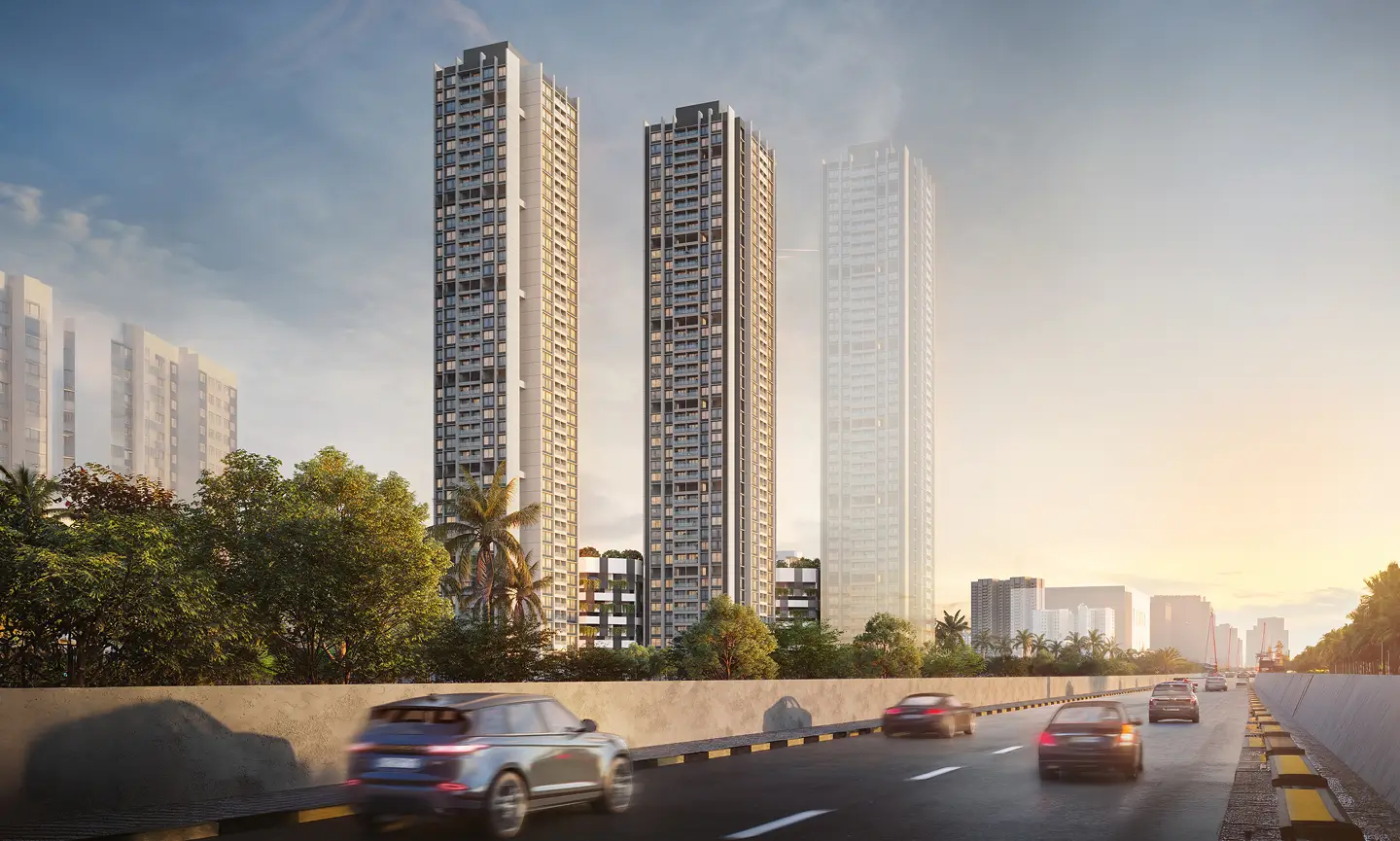
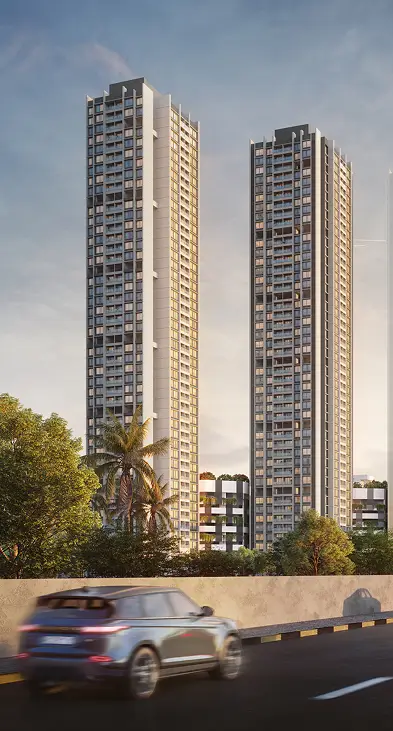
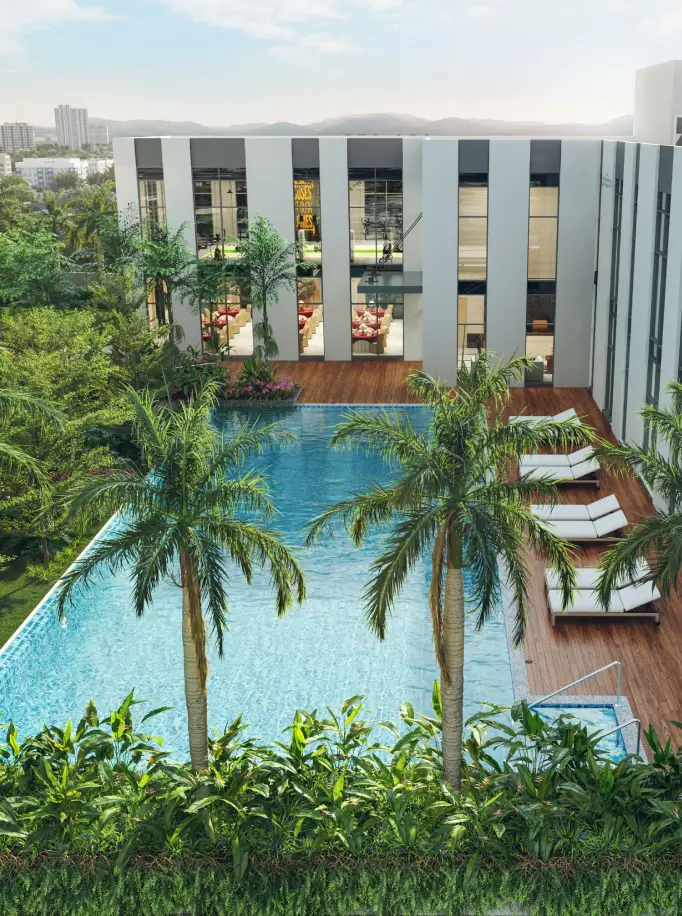
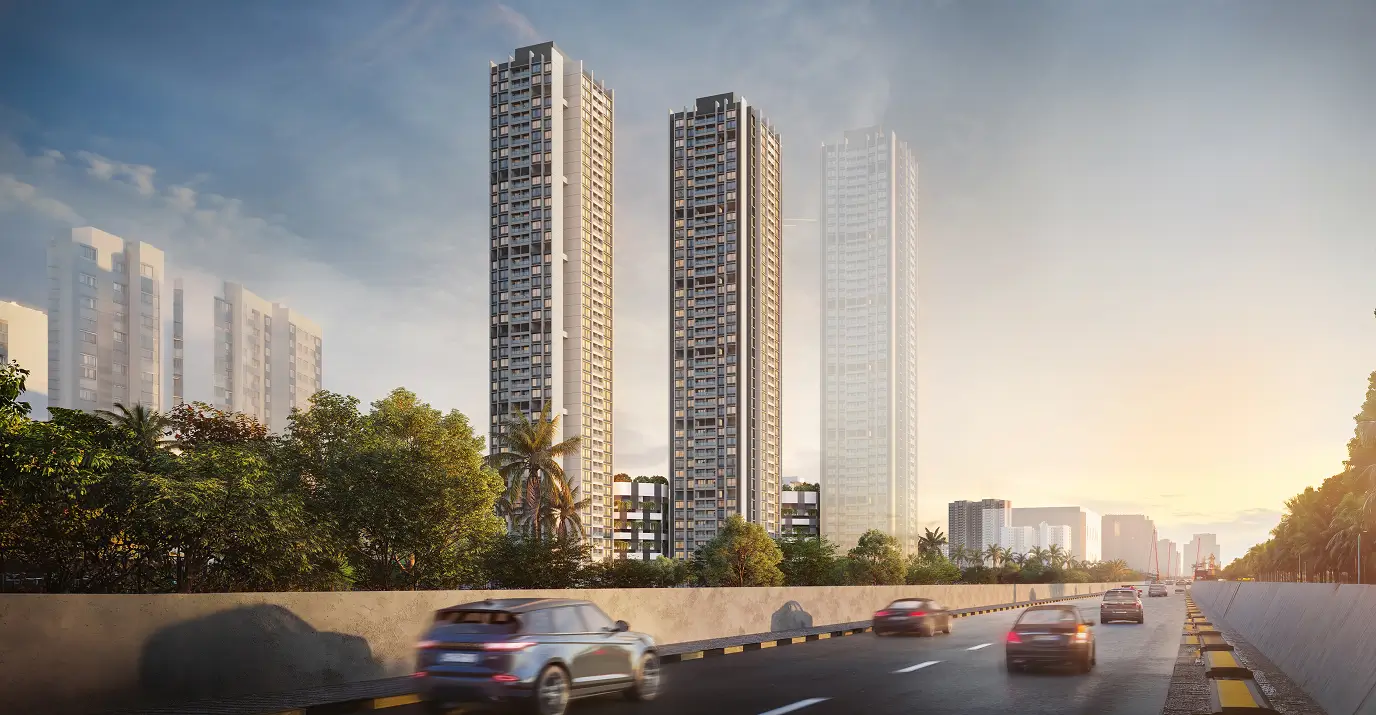
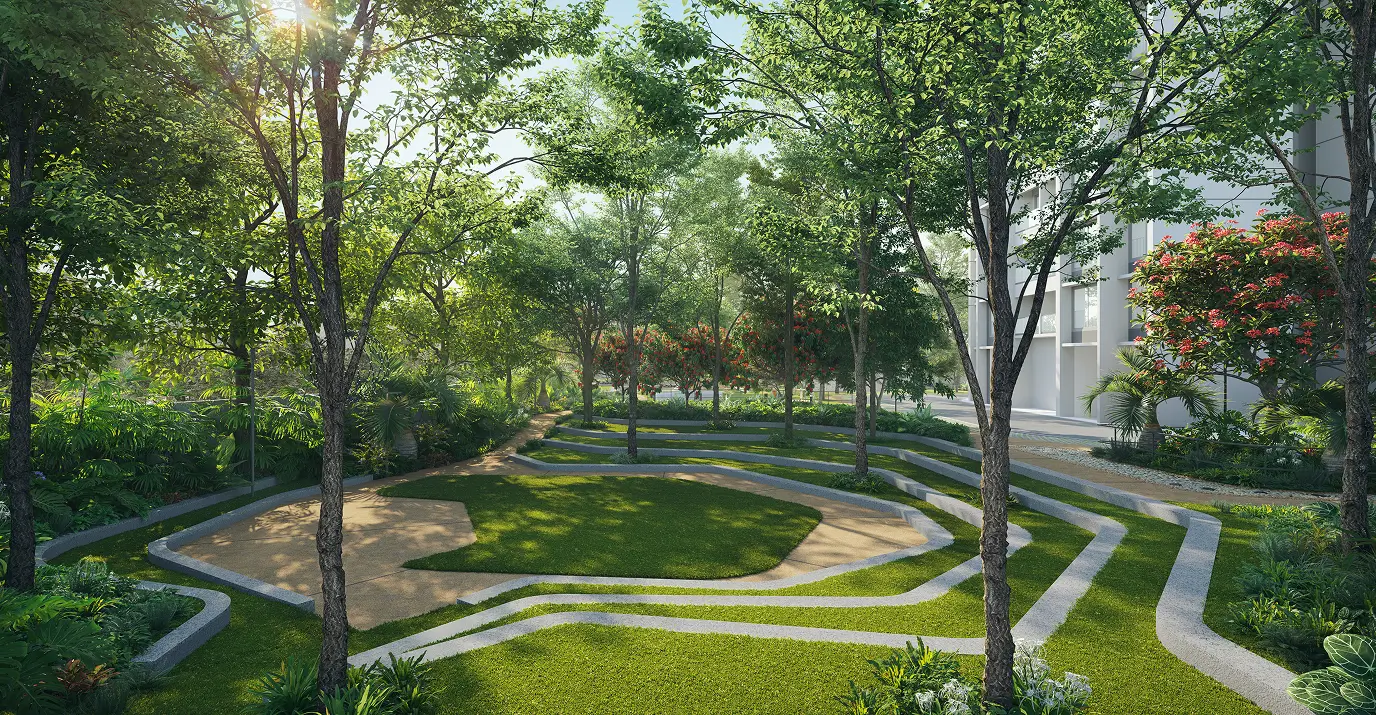
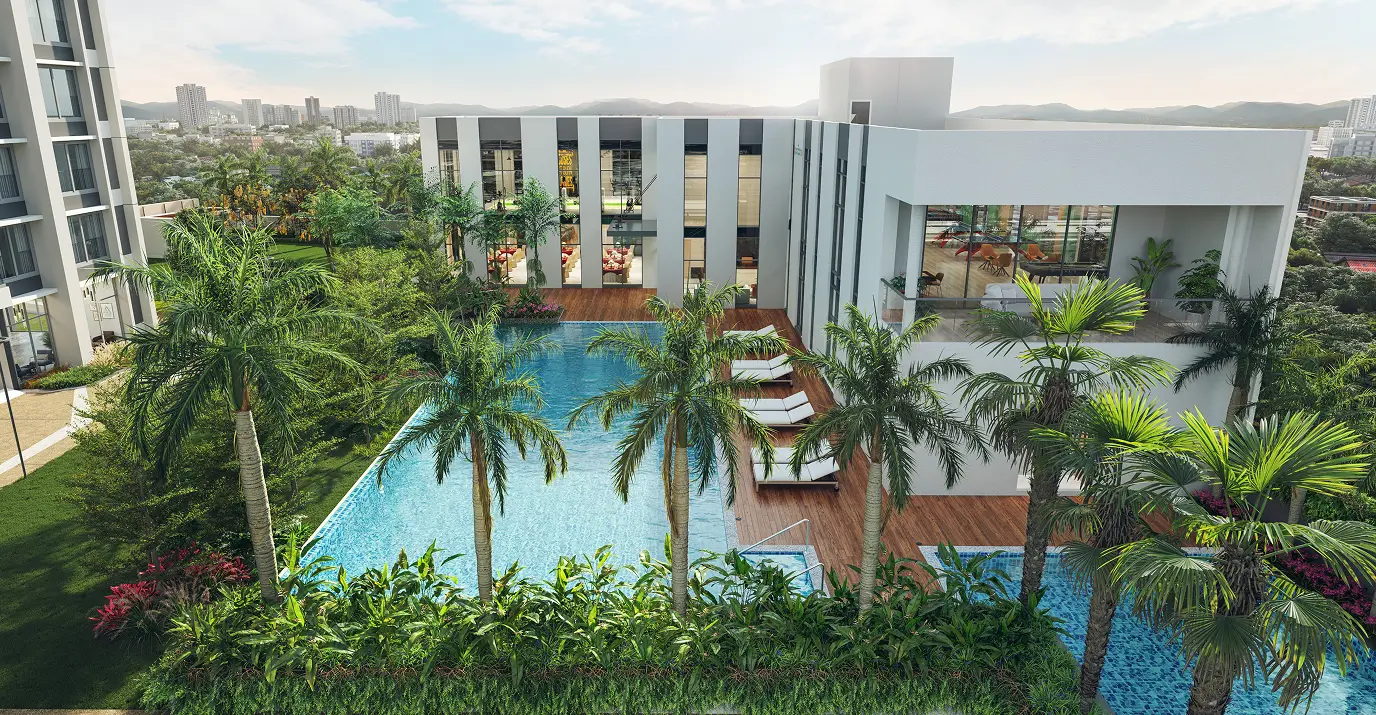
Godrej Nurture, Bhandup, is envisioned as a contemporary mixed-use development that negotiates density, livability and urban presence within a rapidly evolving precinct. The project brings together residential and commercial programs within a cohesive masterplan that balances efficiency with spatial generosity.
The built form is conceived as a calibrated response to its context structuring movement, access and massing to create a clear hierarchy between public and private realms. From street edge to skyline, the architecture seeks coherence, environmental responsiveness and long-term relevance within the city fabric.
Expertise
ArchitectureLocation
BhandupProject Typology
ResidentialClient
Godrej PropertiesSite Area
1,730,445 Sq.Ft.Year of Completion
In ProgressProject Team
Pankaj Palshikar, Nirali Doshi, Priyanka Modi, Akshatha Shet, Hanif Mulani & Umair Borkarr
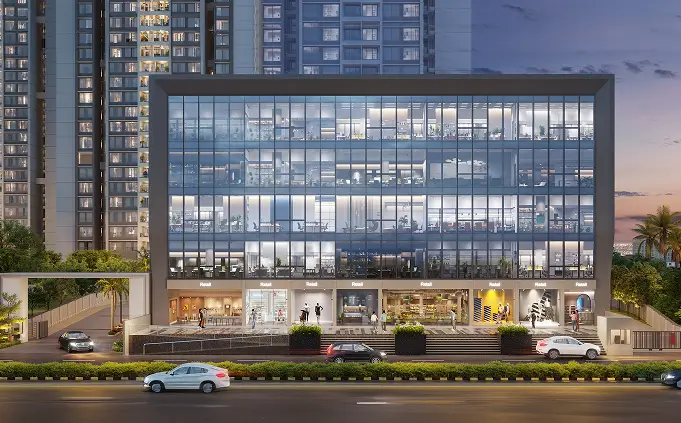
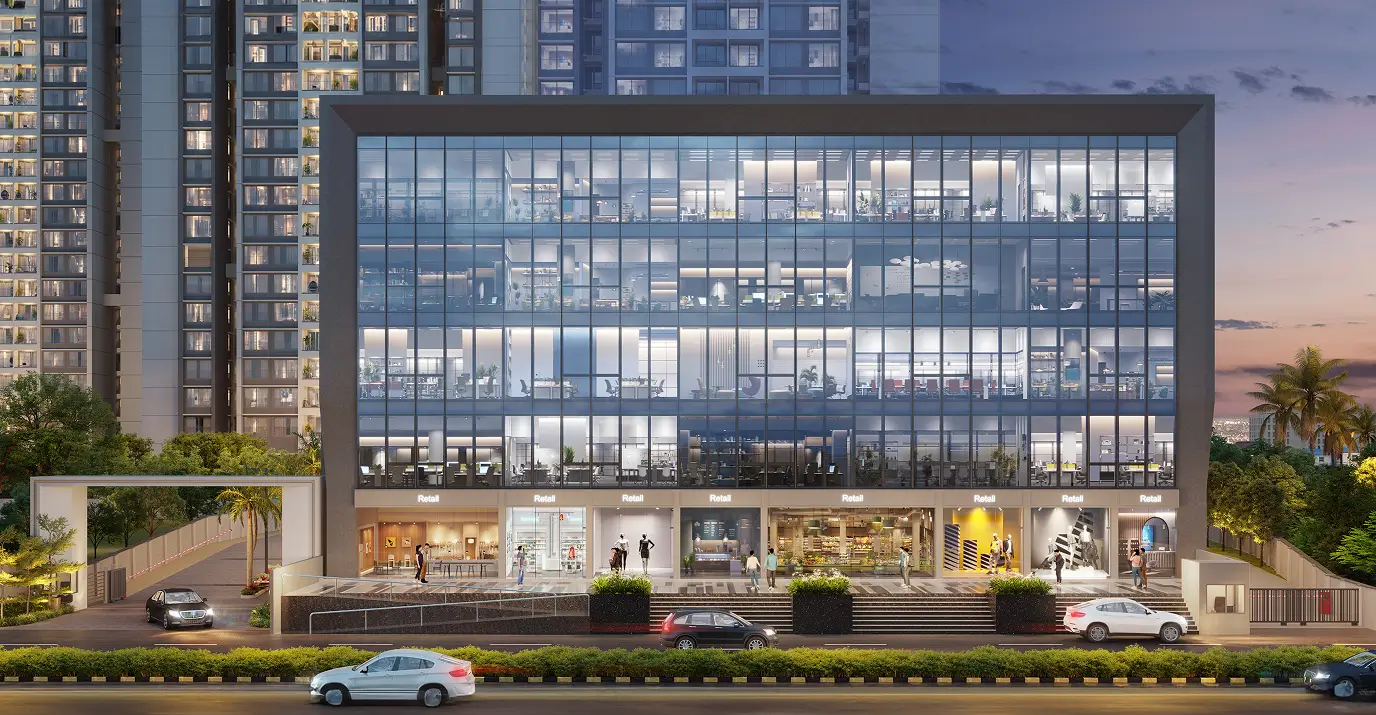
The planning strategy responds to the site’s immediate realities. With the proposed DP road currently underdeveloped and abutting informal settlements, the commercial frontage is strategically aligned along LBS Road, an established arterial spine that ensures visibility, accessibility and sustained urban engagement.
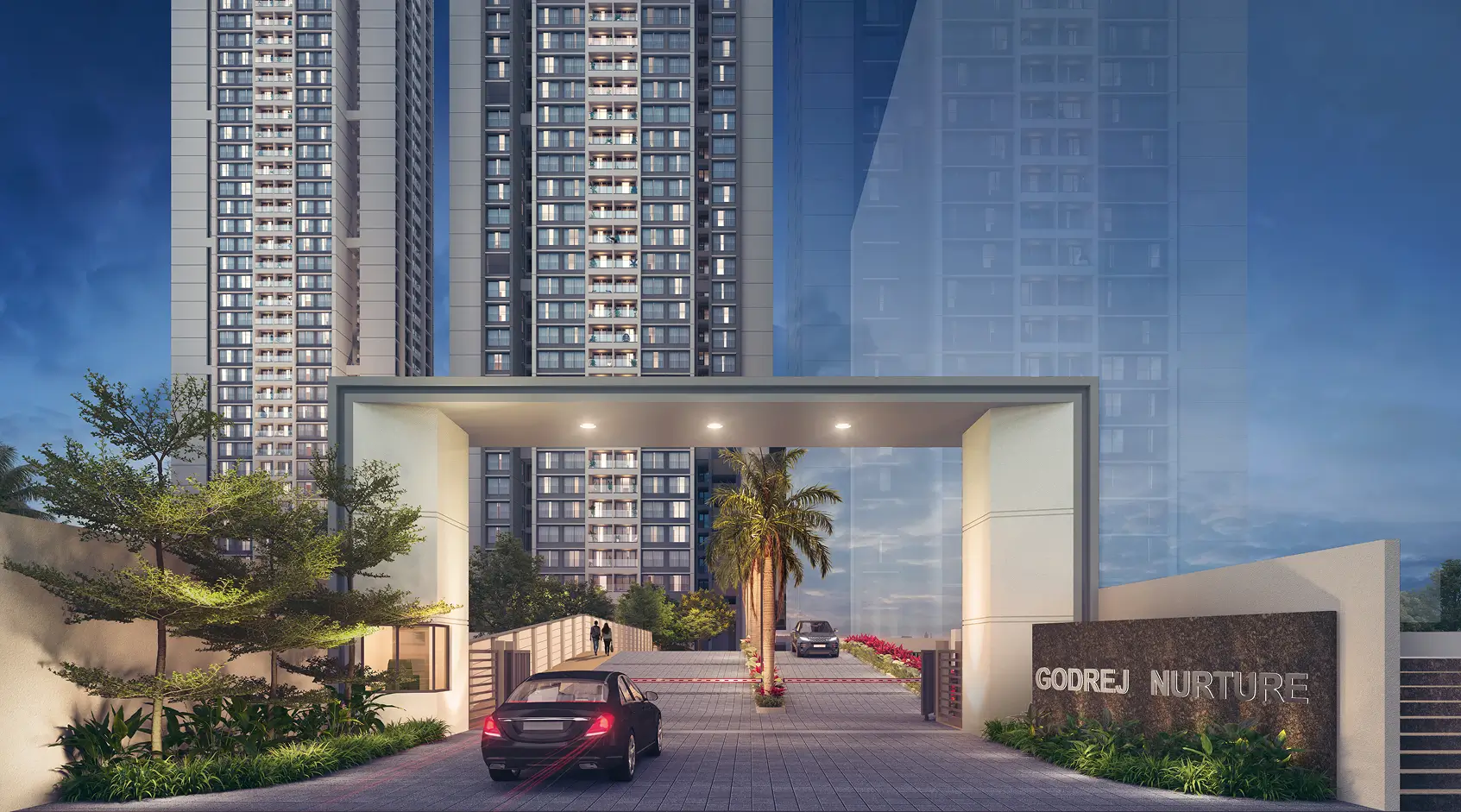
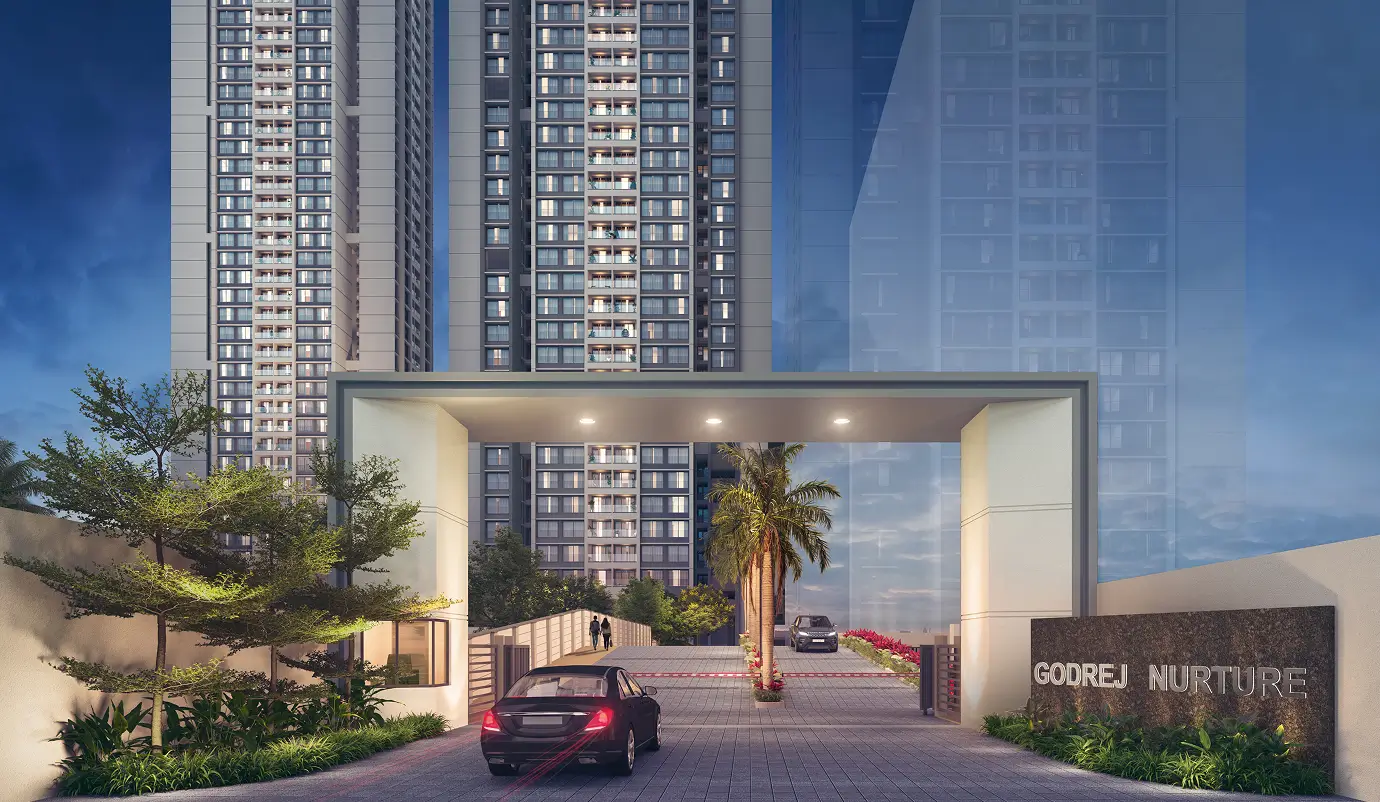
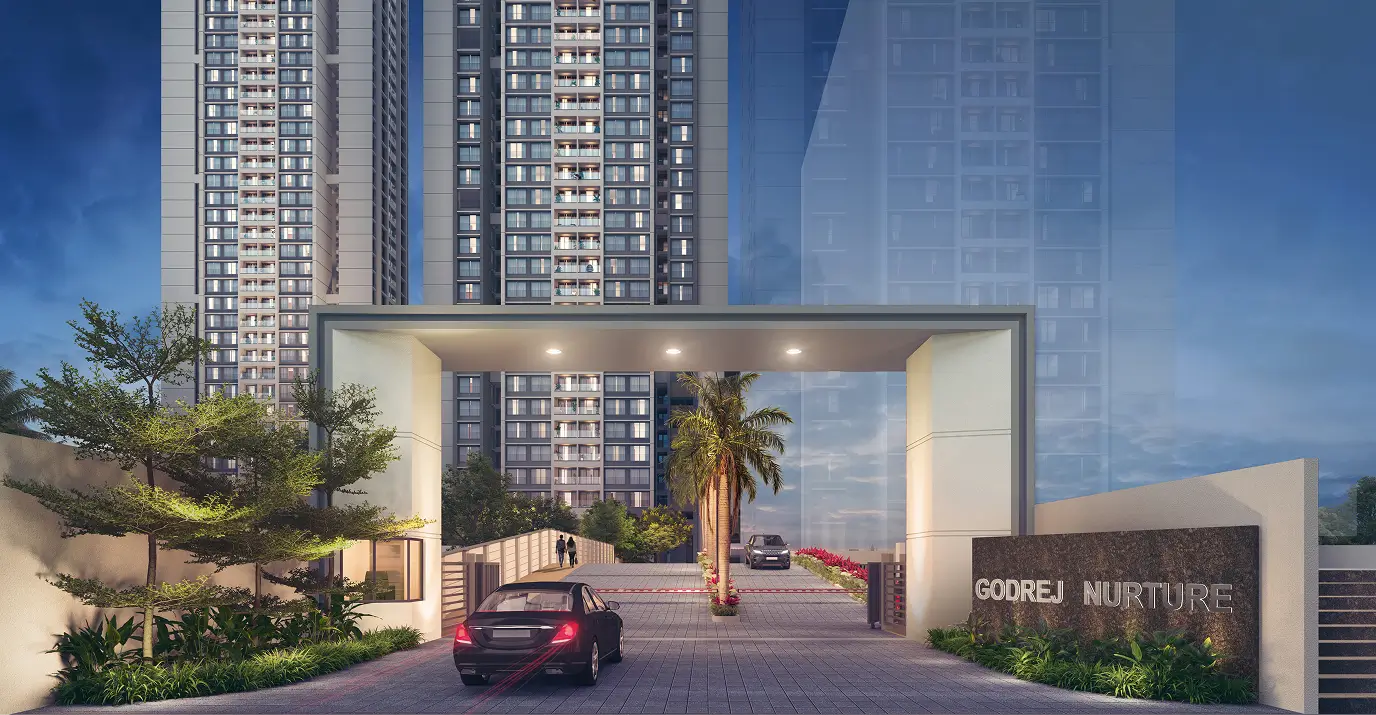
Separate entry and exit points for residential and commercial components establish functional clarity while preserving privacy and security. An independent access road to the AOS parcel enhances permeability without diluting site discipline. The masterplan prioritises real conditions over theoretical ones, grounding design decisions in context.
Two planning approaches were explored through the positioning of the AOS parcel. The retained configuration encouraged an east–west orientation, offering an equal distribution of views 50% toward the western hills and 50% toward the eastern cityscape.
The shifted AOS strategy reorients the development along a north–south axis, strengthening climatic performance and residential value. This recalibration enables premium north- and south-facing residences, improves daylight distribution, and reduces heat gain. In this scheme, 70% of units orient toward the city while 30% retain views toward the hills a deliberate balance between market potential and contextual depth.
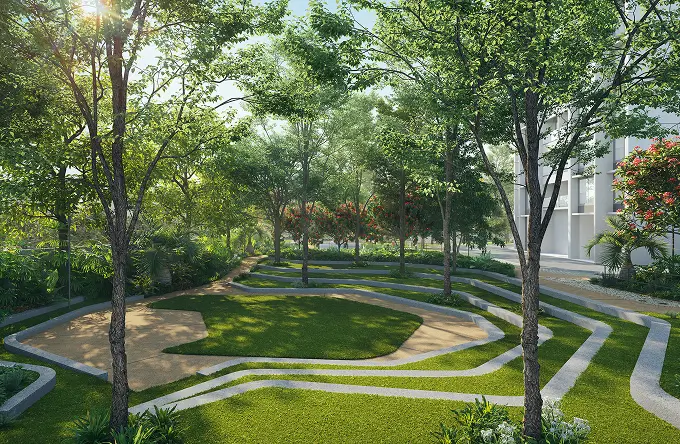
Massing is carefully composed to optimise openness, cross-ventilation and skyline presence, ensuring that orientation, outlook and spatial comfort are integral not incidental to the architecture.
Credits
Project Team
3D Credit