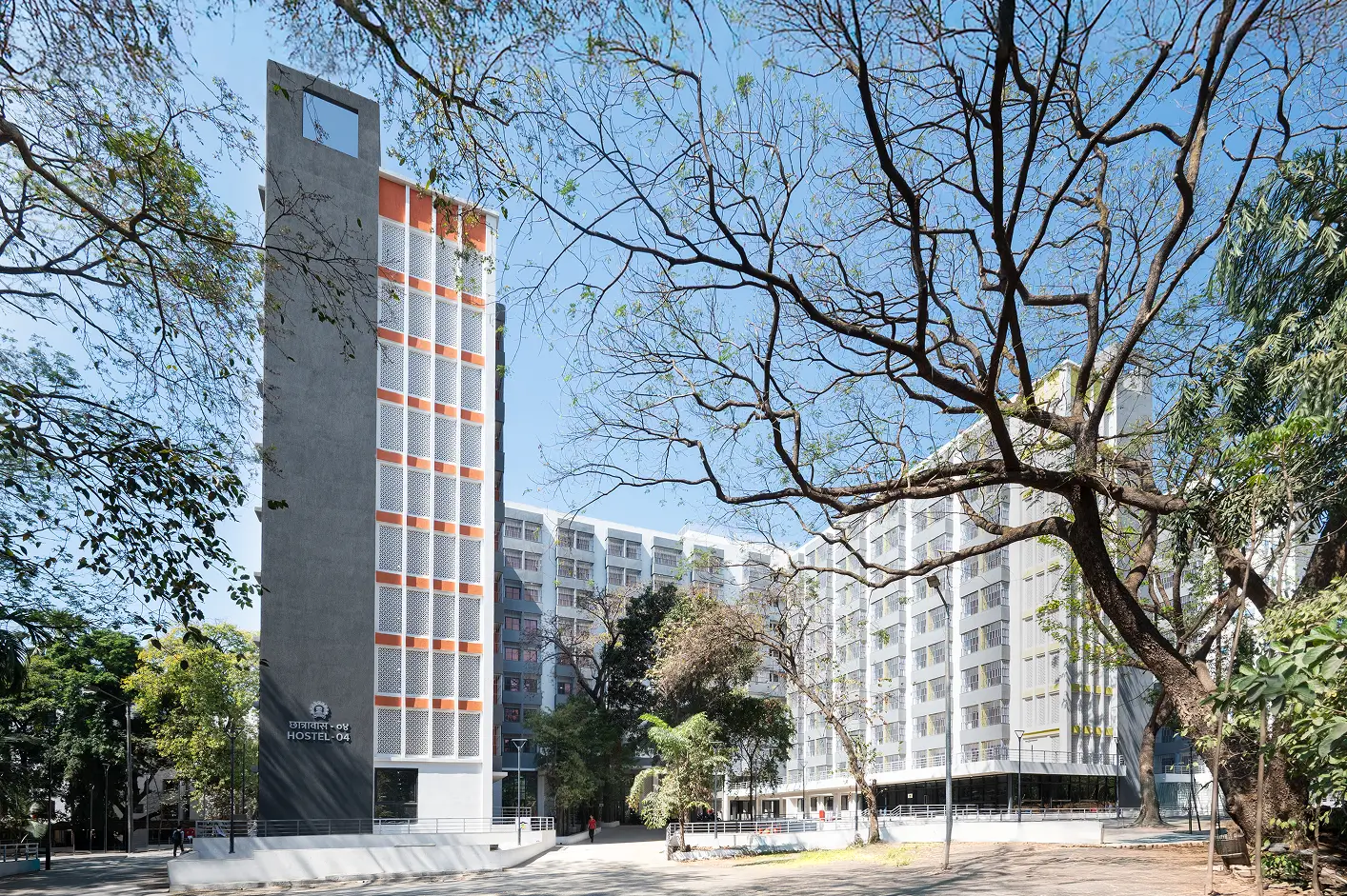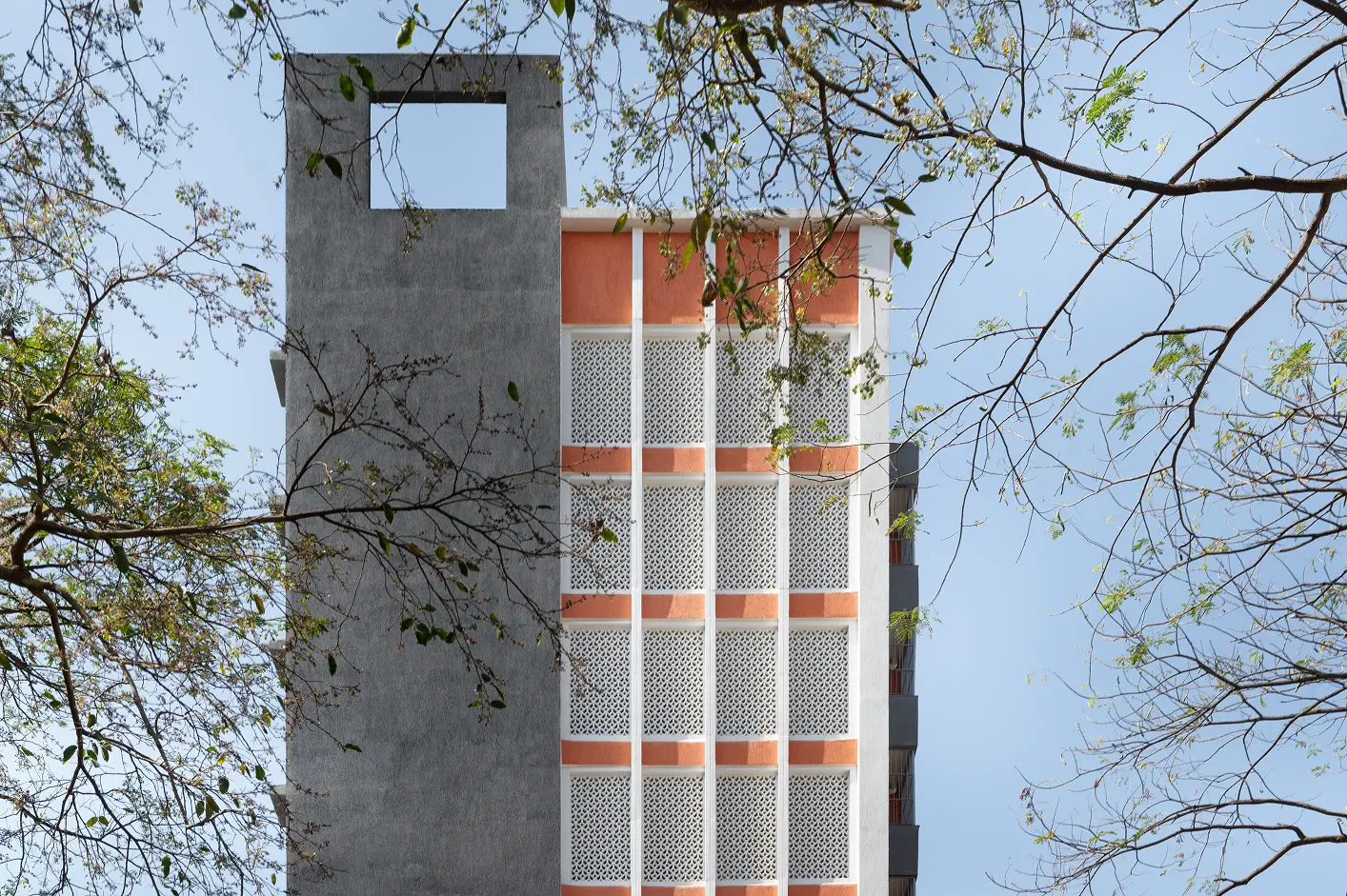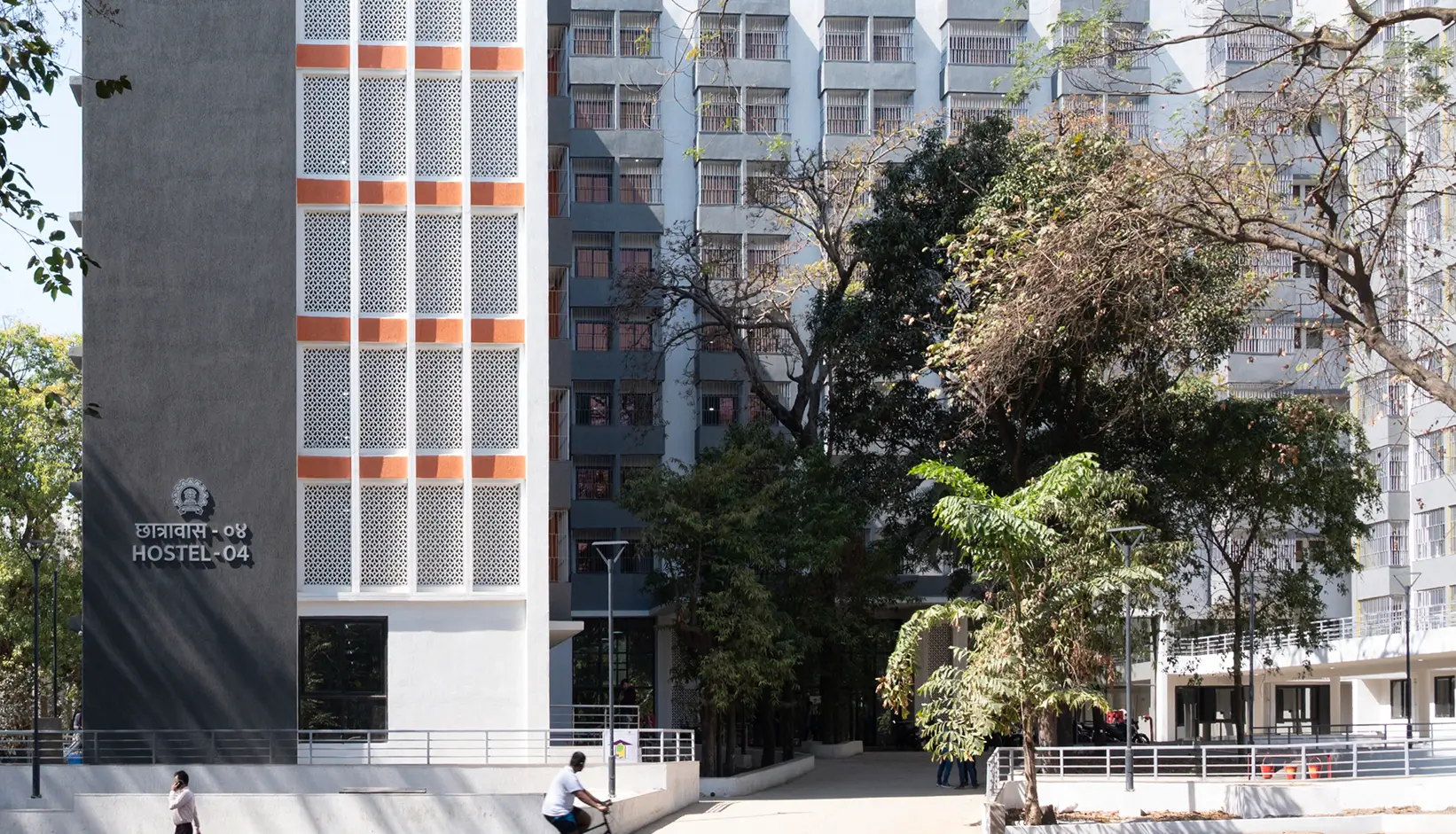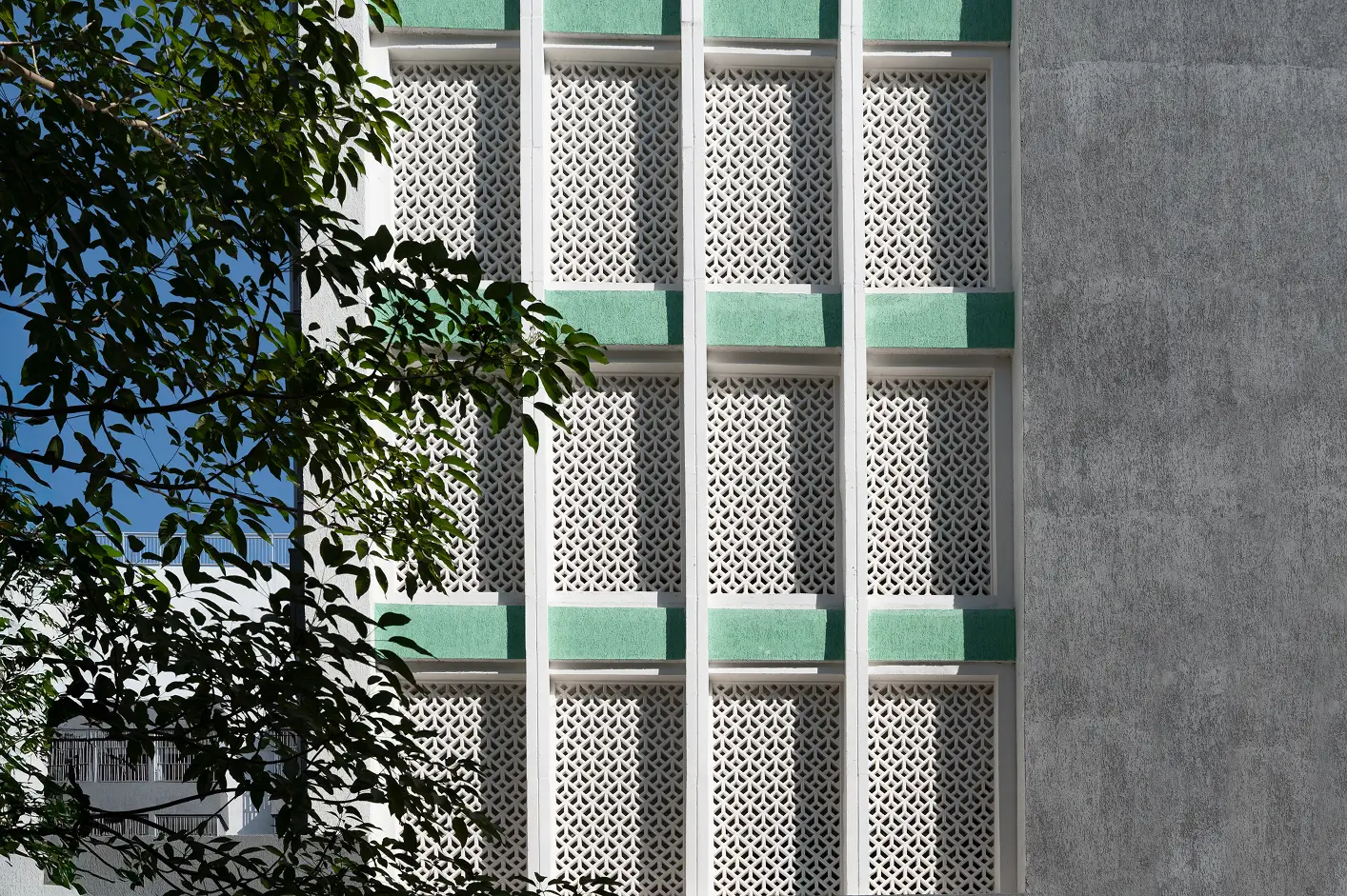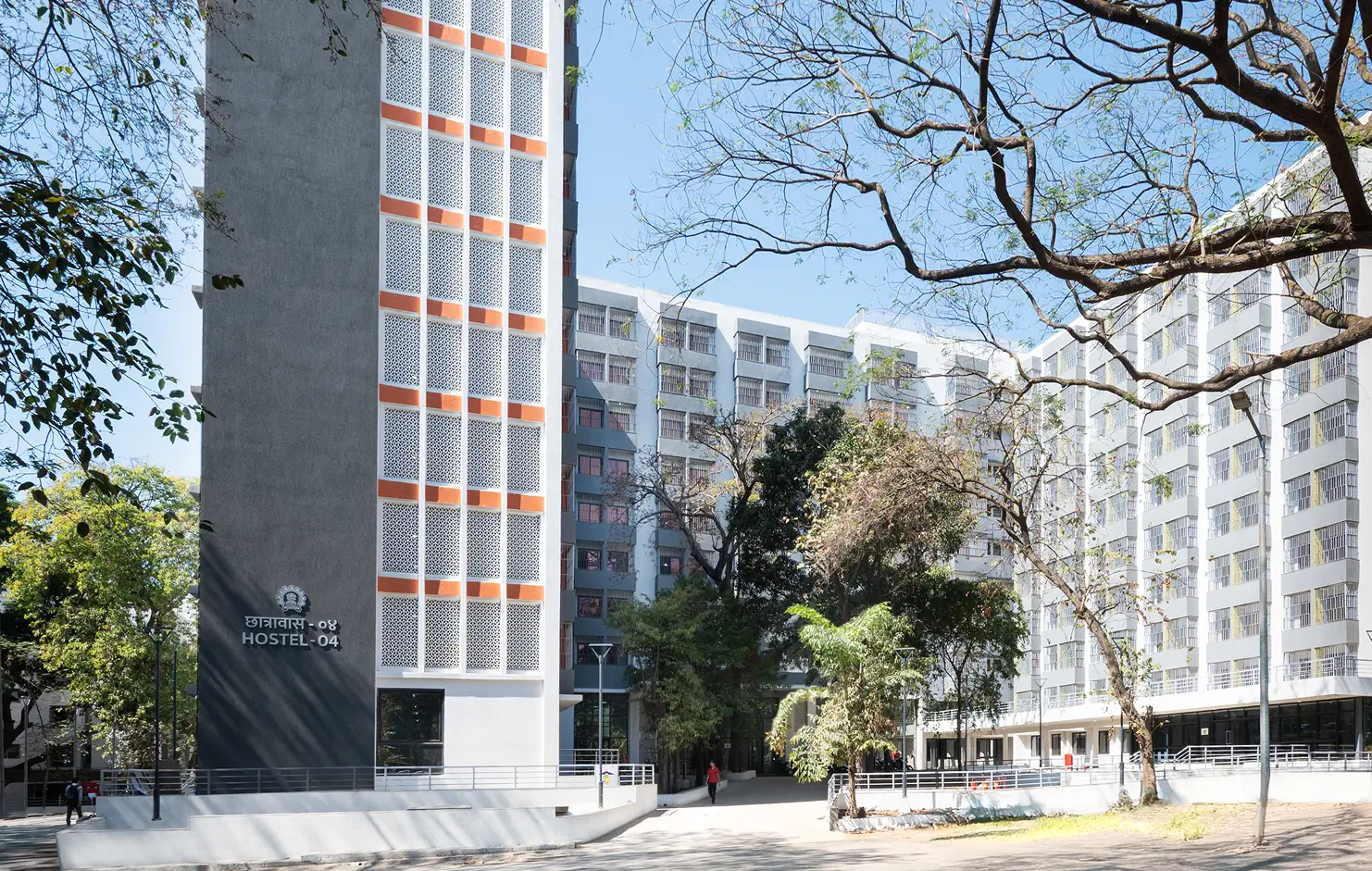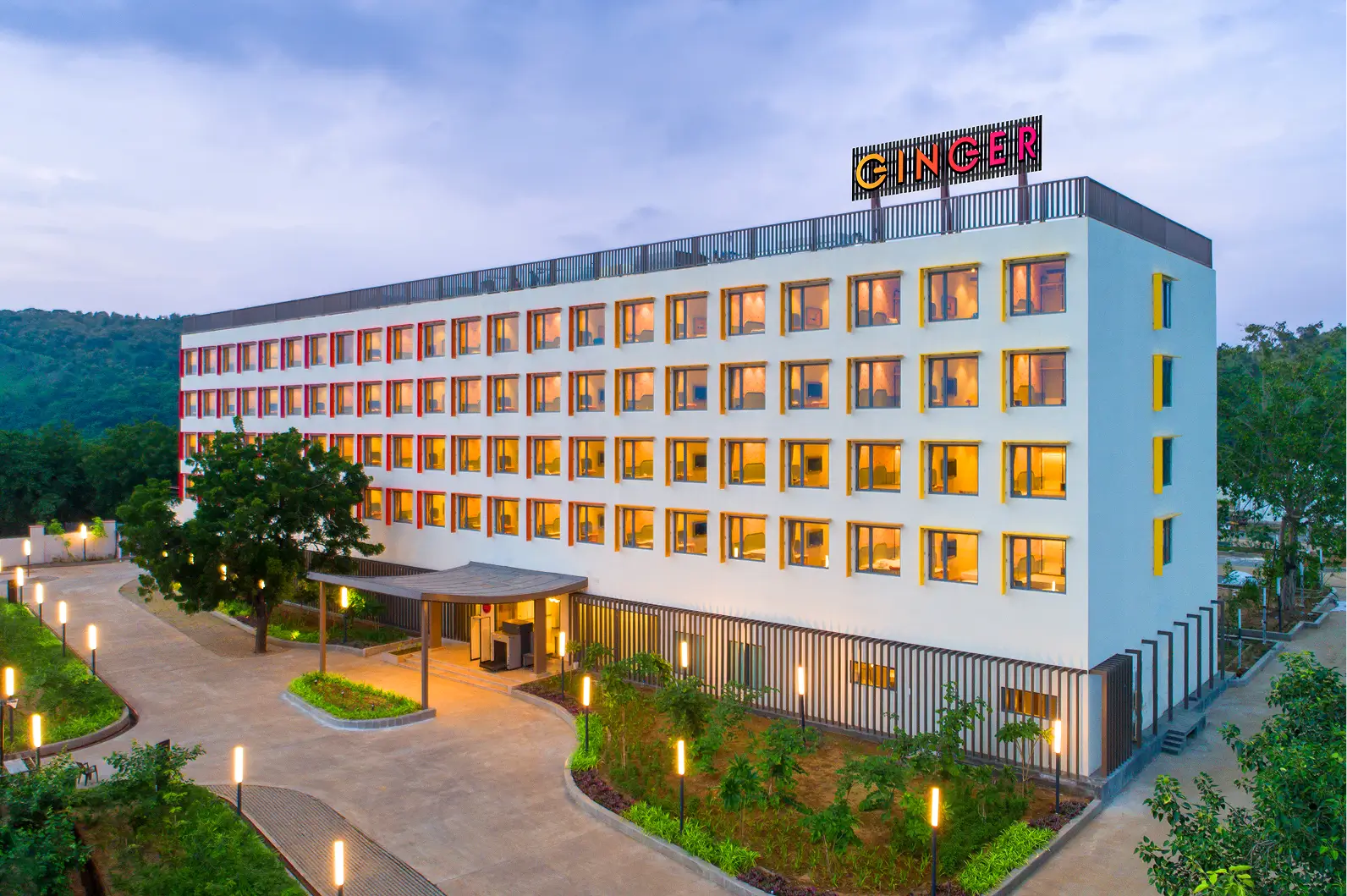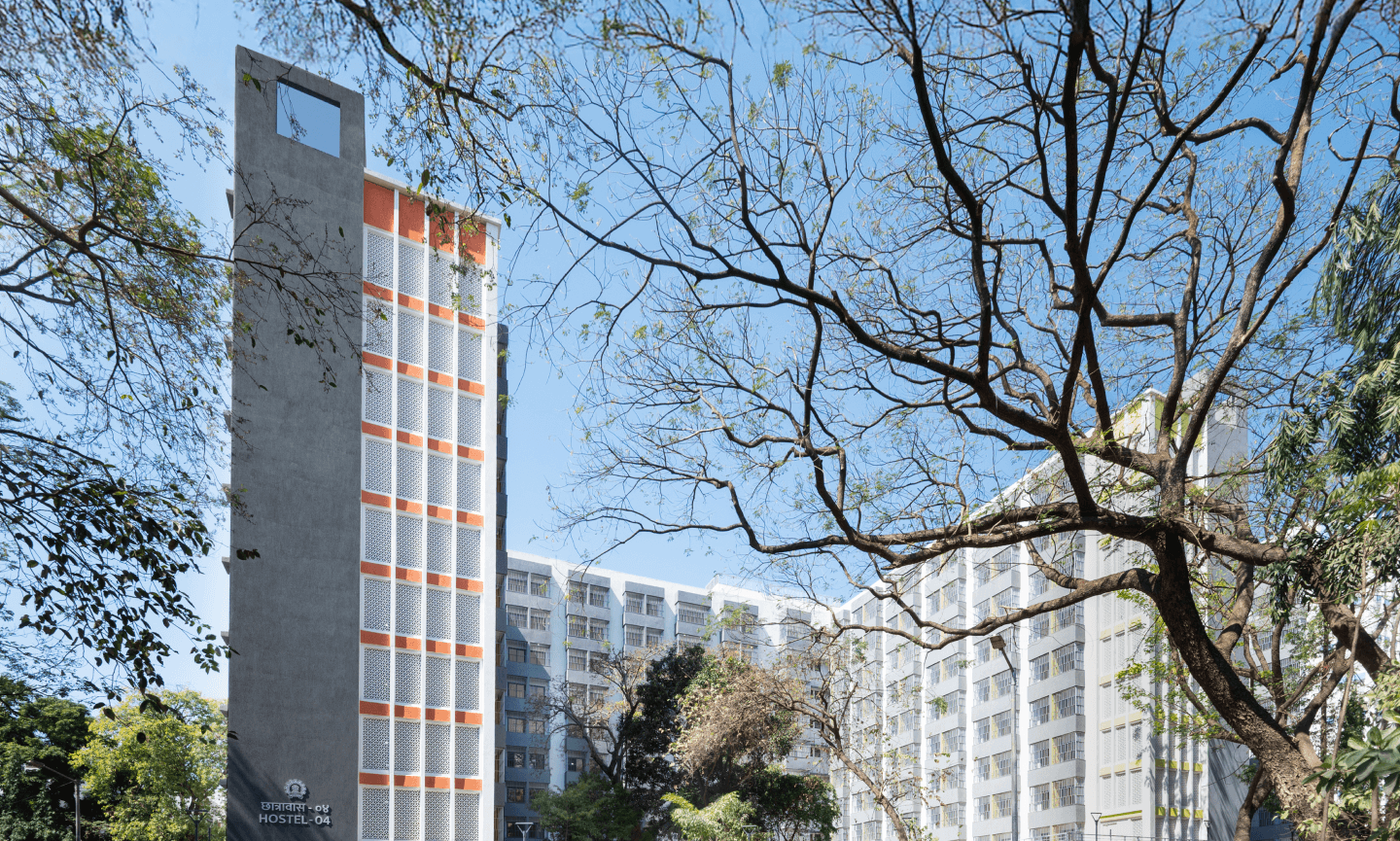
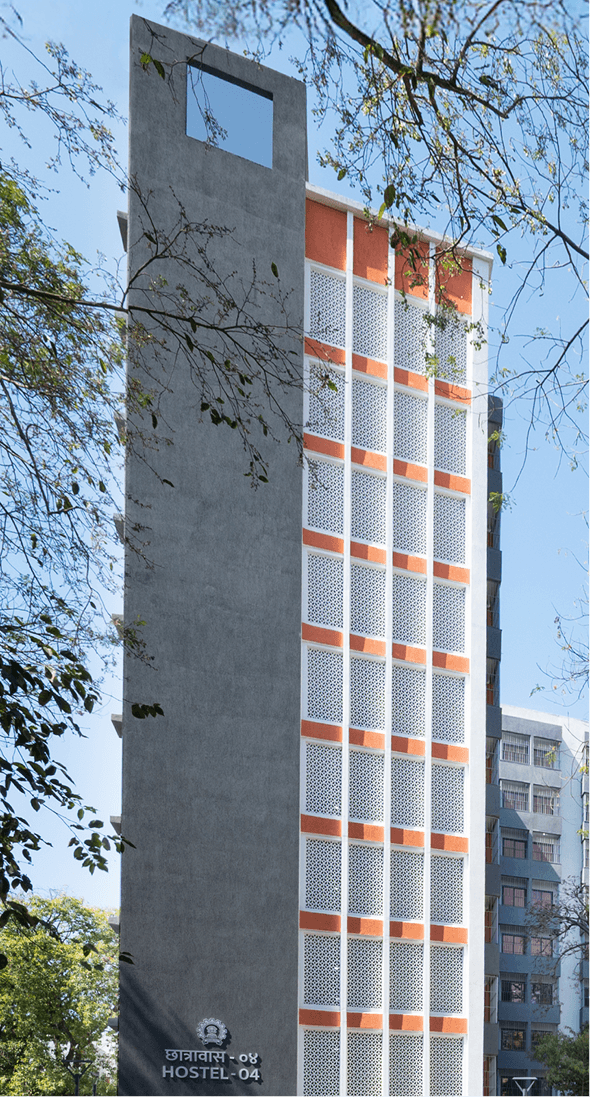
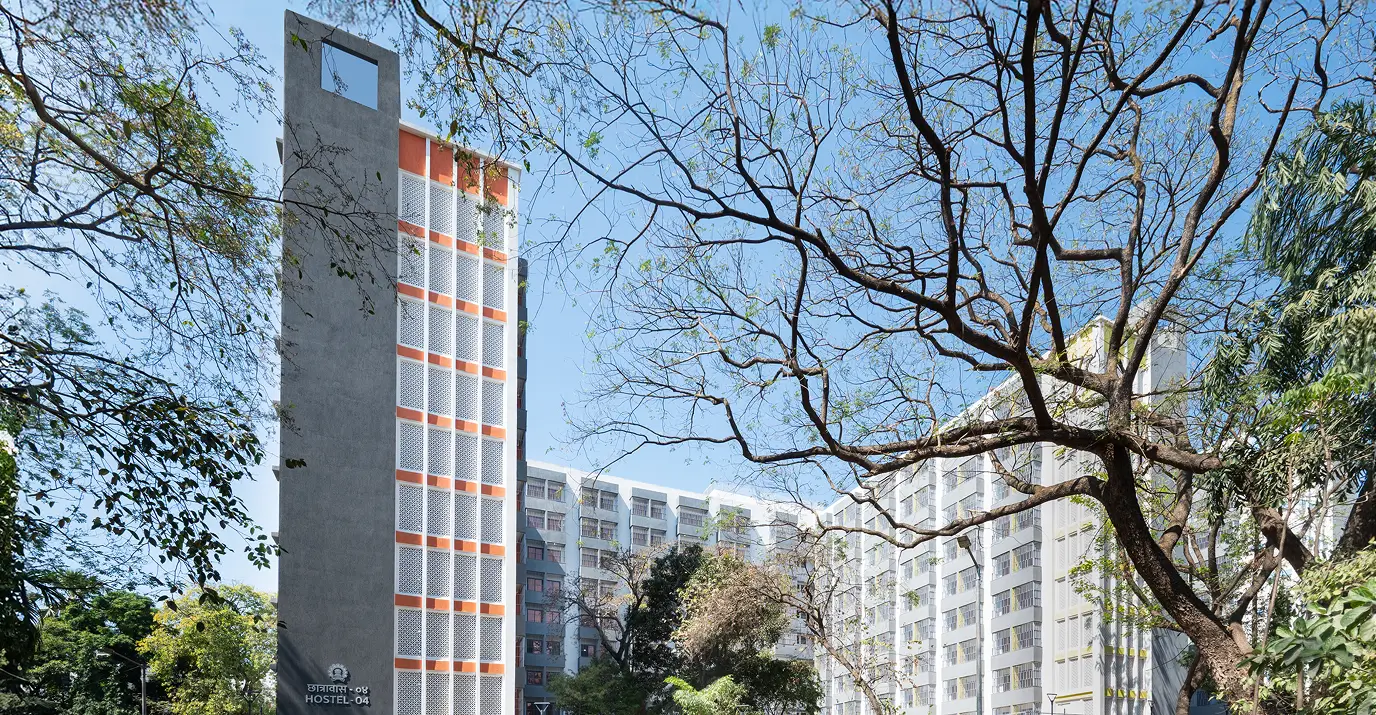
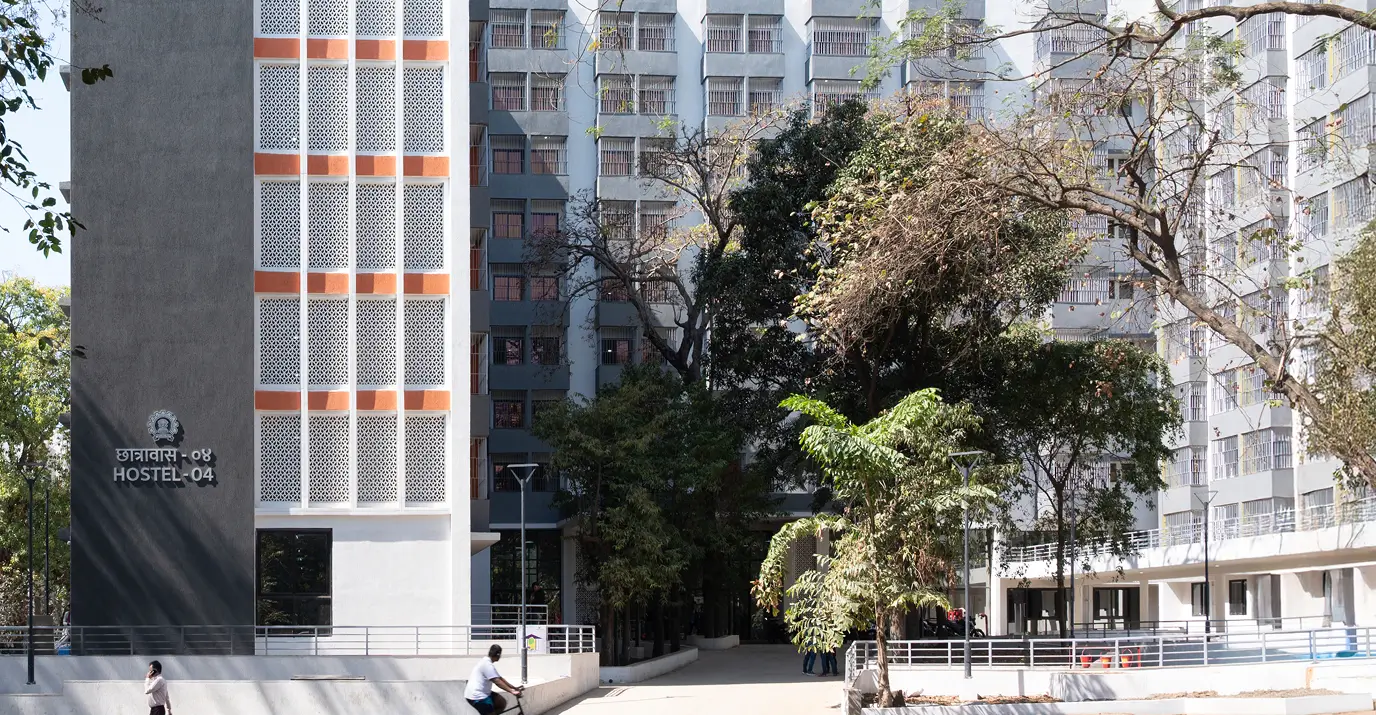
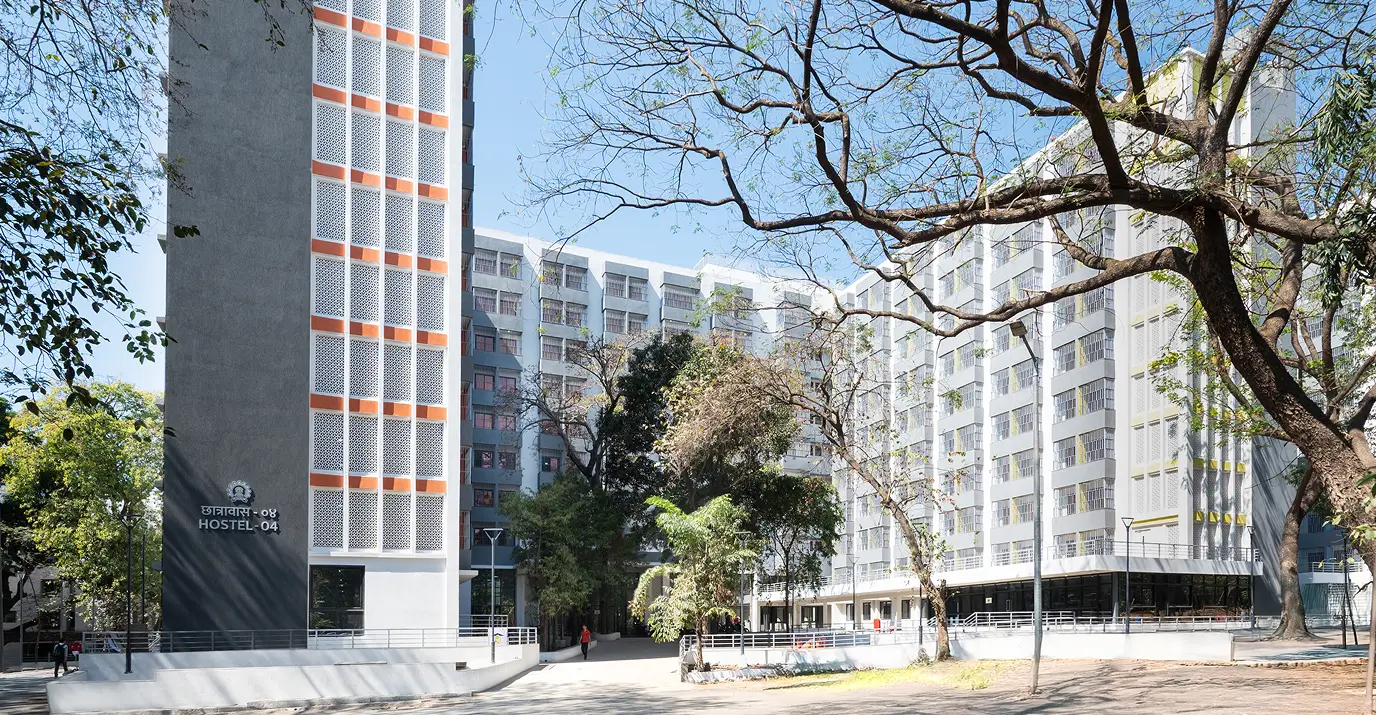
Set within the green expanse of Indian Institute of Technology Bombay in Mumbai, the proposed hostel finds itself in a rare in between condition, anchored by the stillness of Powai Lake and the density of Sanjay Gandhi National Park, yet closely tied to the pulse of the city.
This duality becomes the starting point of the project, shaping a living environment that feels both grounded and connected. As the campus continues to expand, the hostel steps in as a critical addition to its evolving residential ecosystem.
Expertise
ArchitectureRole
Design ArchitectProject Typology
EducationalLocation
IIT Bombay, PowaiSite Area
10,434.24 Sq.M.Client
IIT BombayProject Team
Pankaj Palshikar, Suhas Bambardekar, Mrunal Kulkarni, Parag Vaidya, Shivaji Raut, Swapnil Panchal, Rahul Mejiyater, & Rama AkerkarYear of Completion
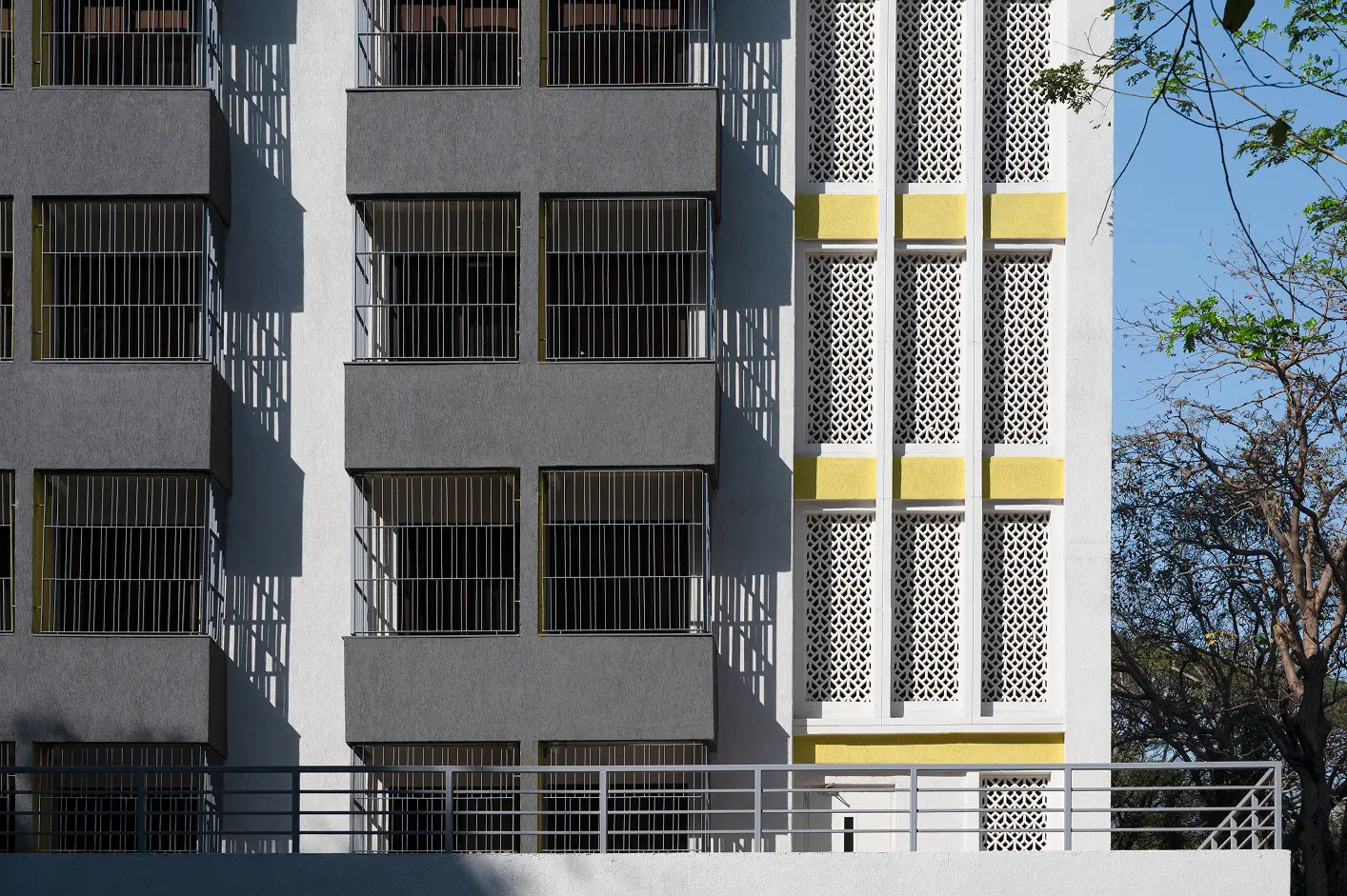
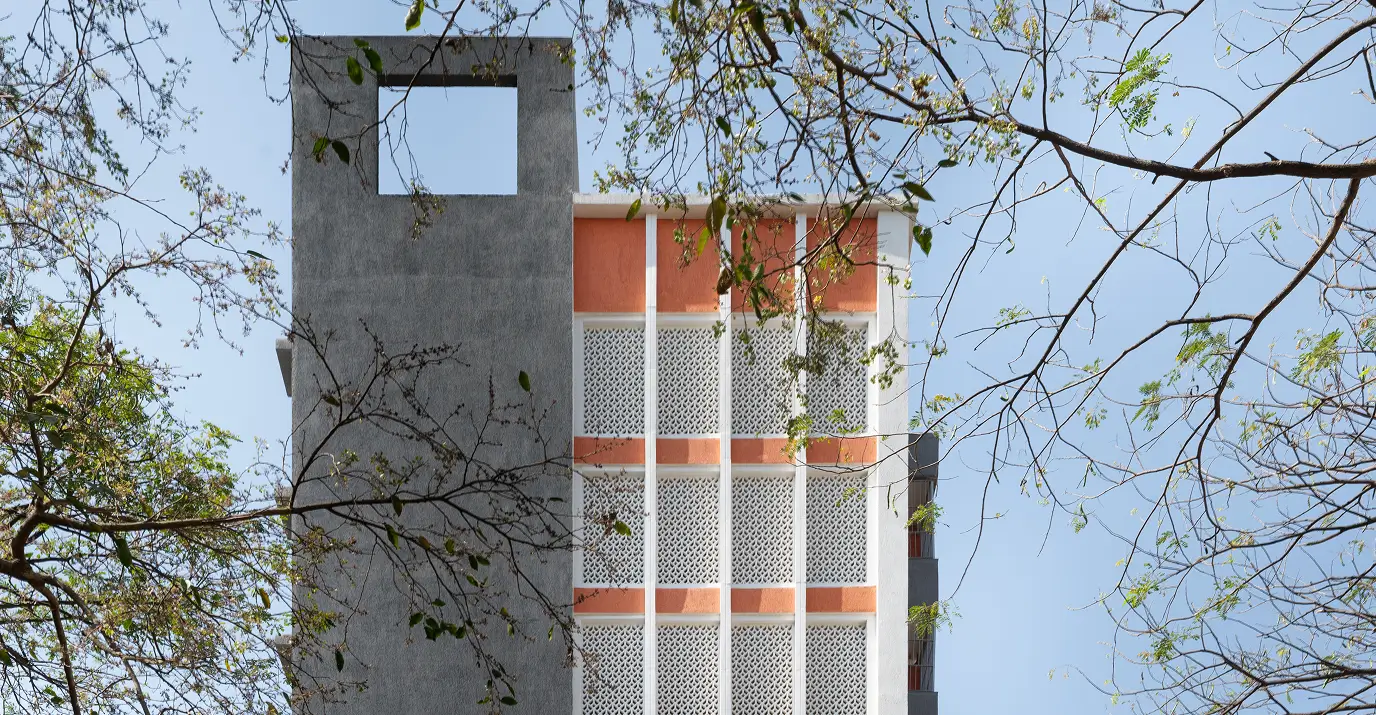
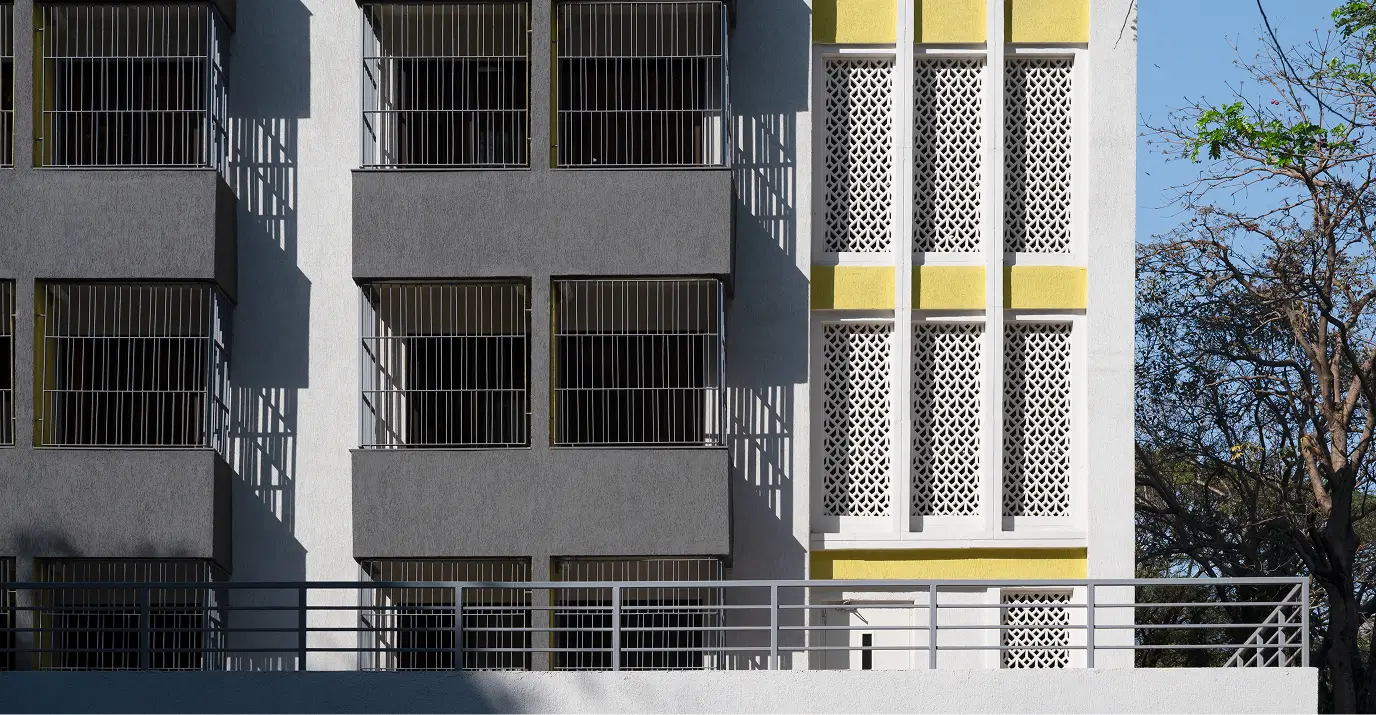
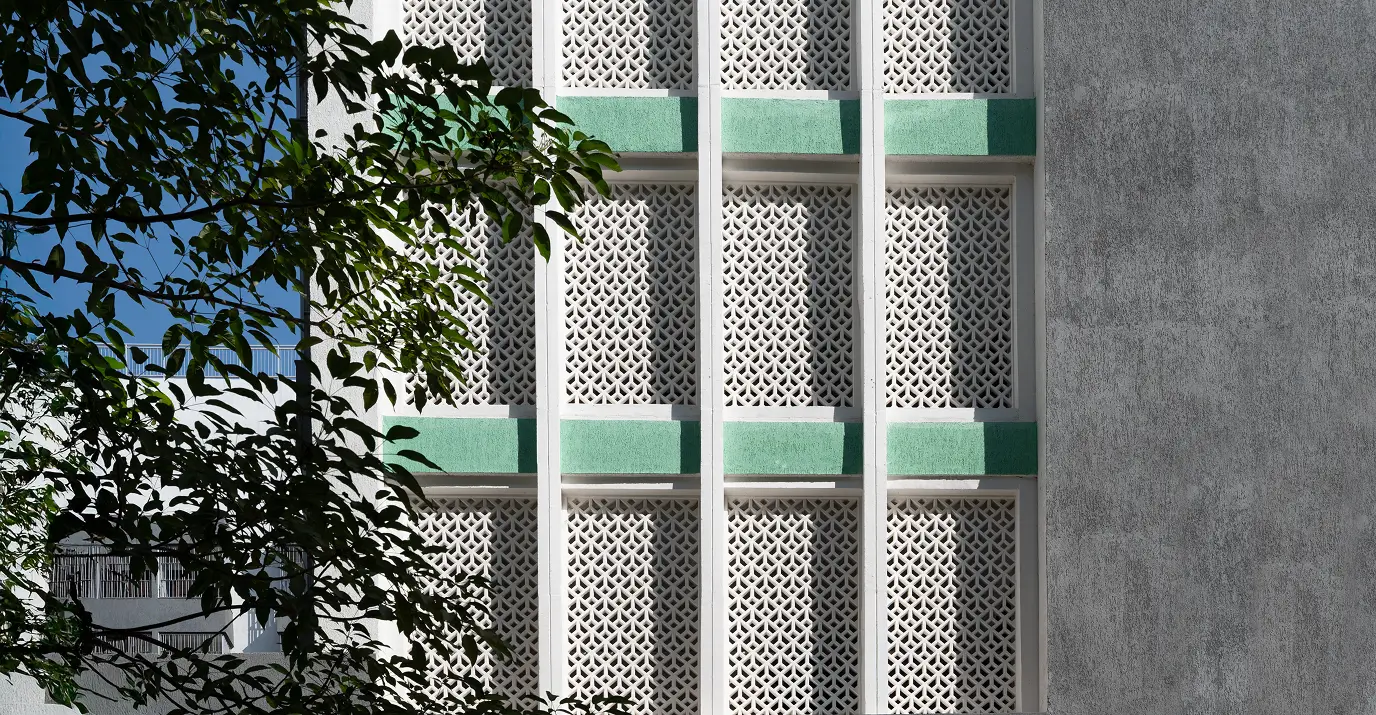
January, 2026At its core, the project is driven by a simple idea, to design for the everyday life of students. The architecture moves beyond efficiency to create spaces that feel intuitive, inclusive, and alive. Passive strategies such as daylight, cross ventilation, and climate responsive orientation are embedded into the system, reducing energy demand while enhancing comfort. Accessibility is not treated as an add on but as a baseline, ensuring that every space remains open and usable for all. The result is a built form that is both responsible and deeply human.
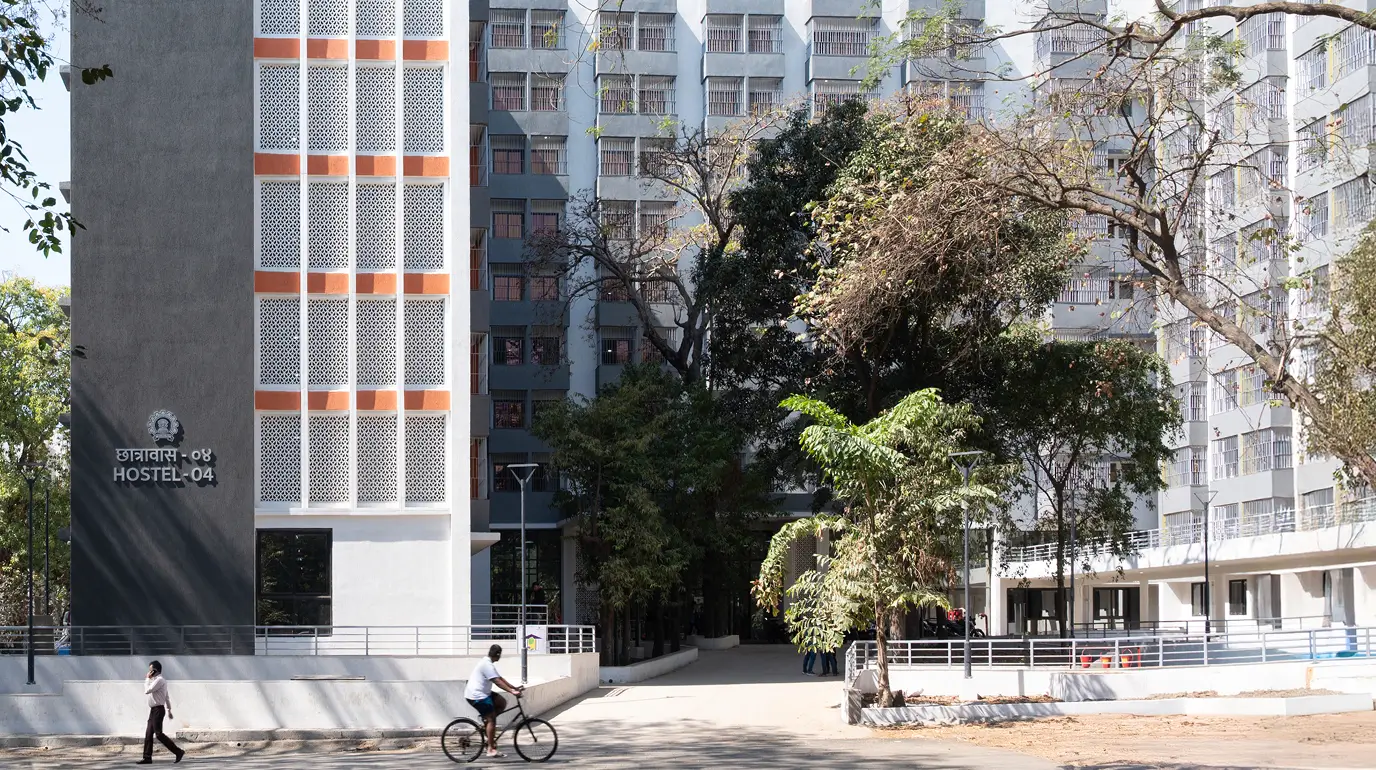
The planning adopts a finger like configuration that breaks down the scale of the building into smaller, more navigable clusters. Movement is clearly structured through primary and secondary corridors, yet never feels rigid, widening at thresholds, opening into nodes, and constantly engaging with light and air. These moments of pause at intersections, edges, and ends become informal social spaces. The building is not just a container of rooms, but a network of interactions where circulation itself becomes an experience.
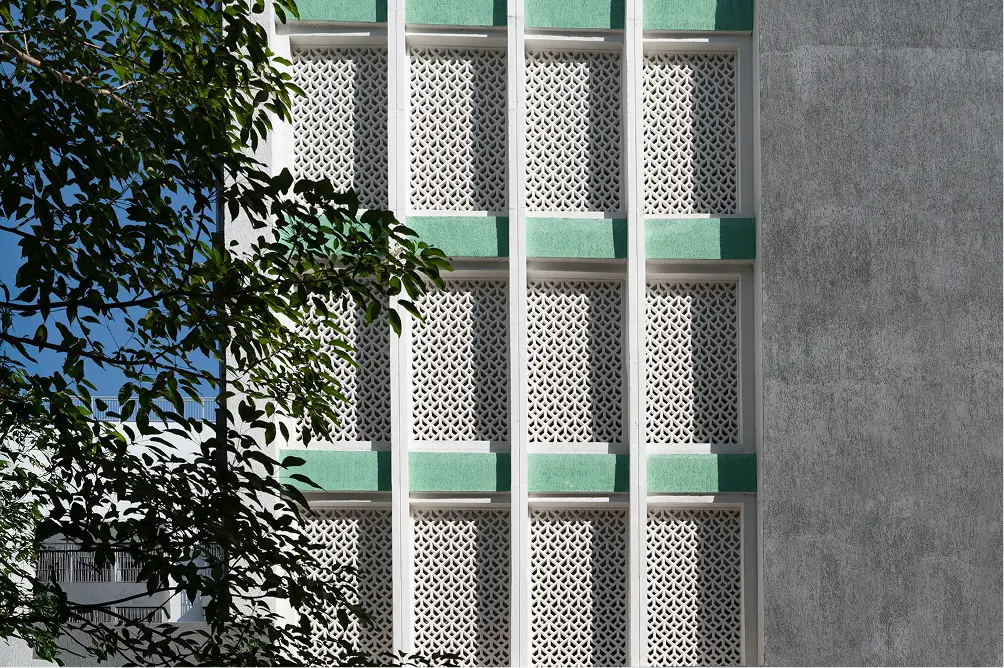
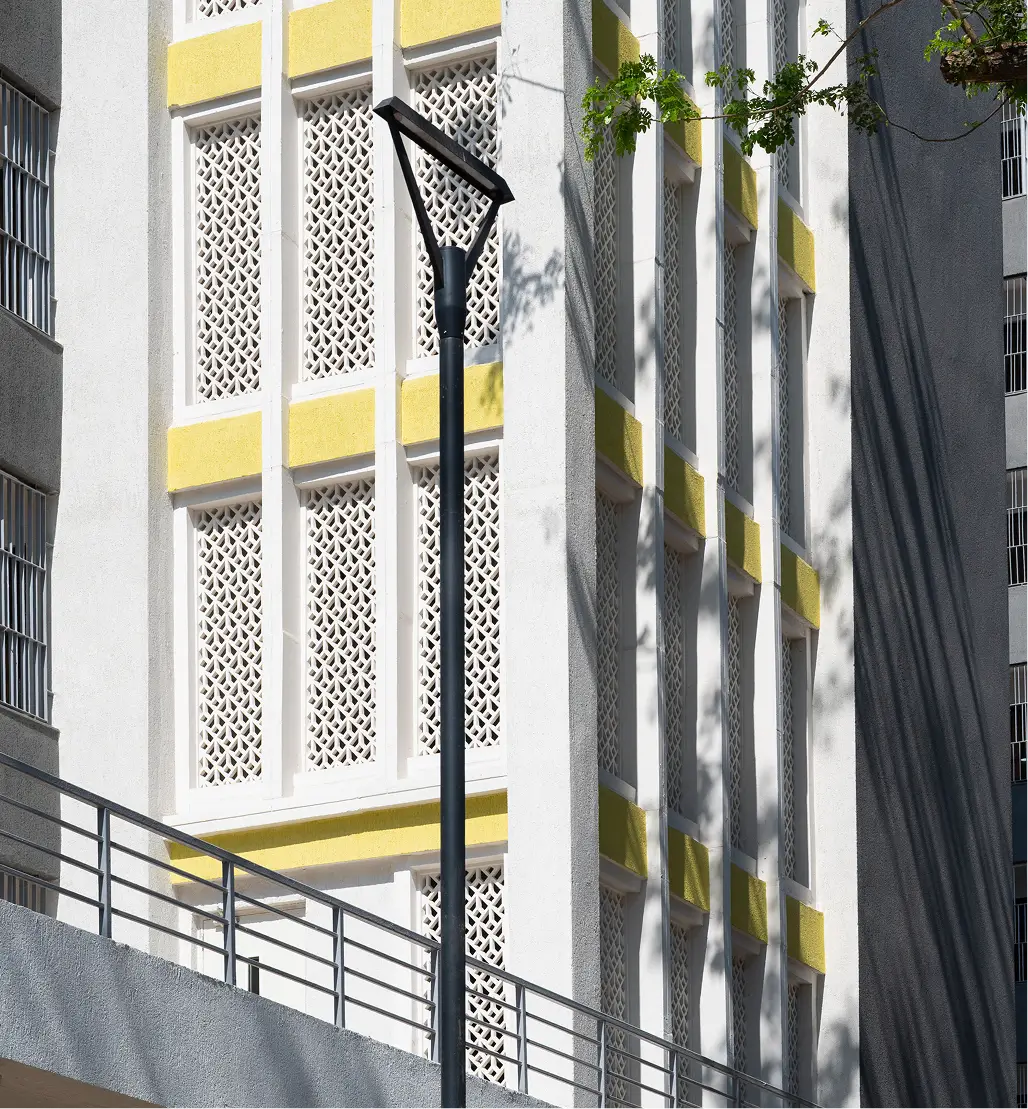
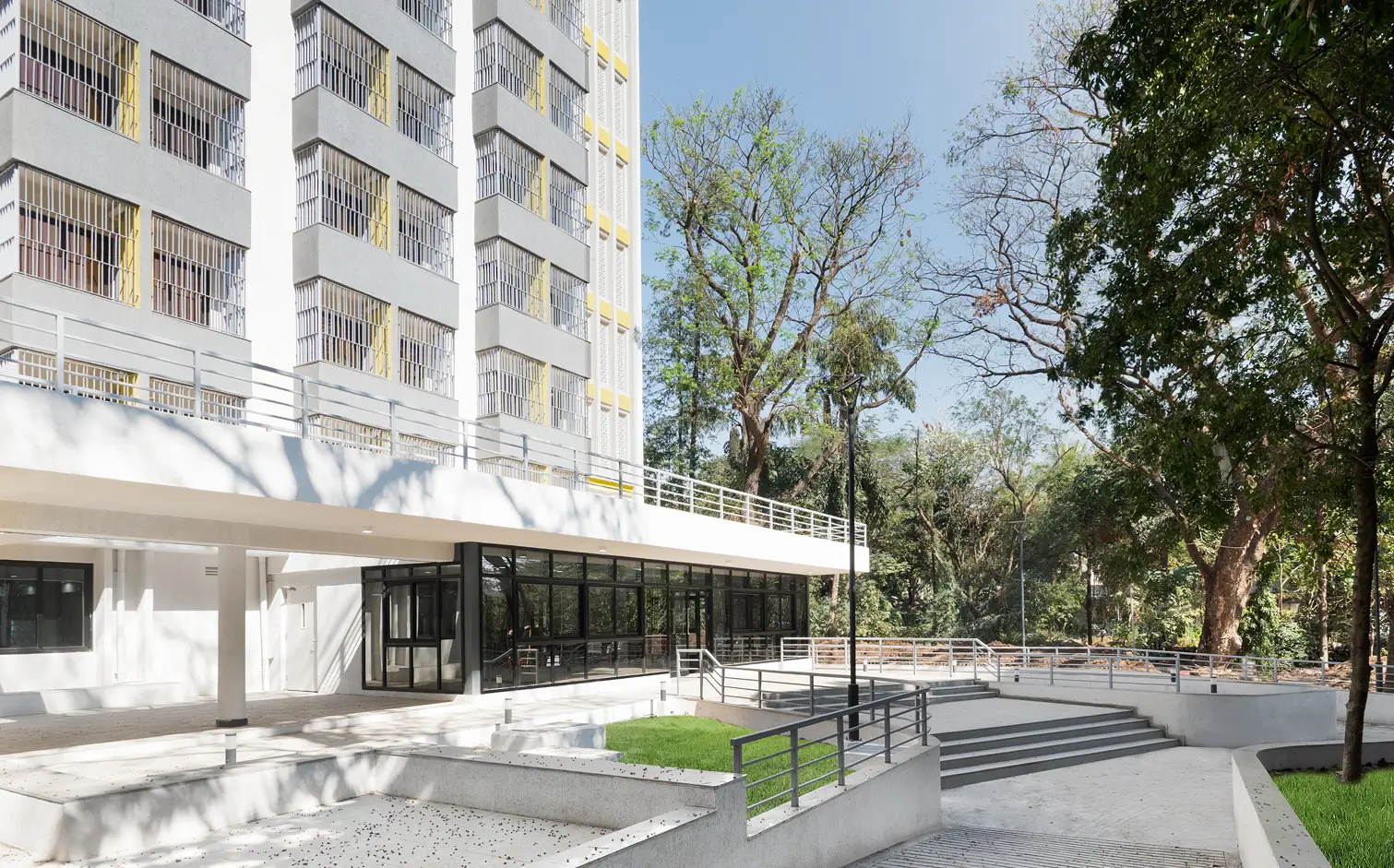
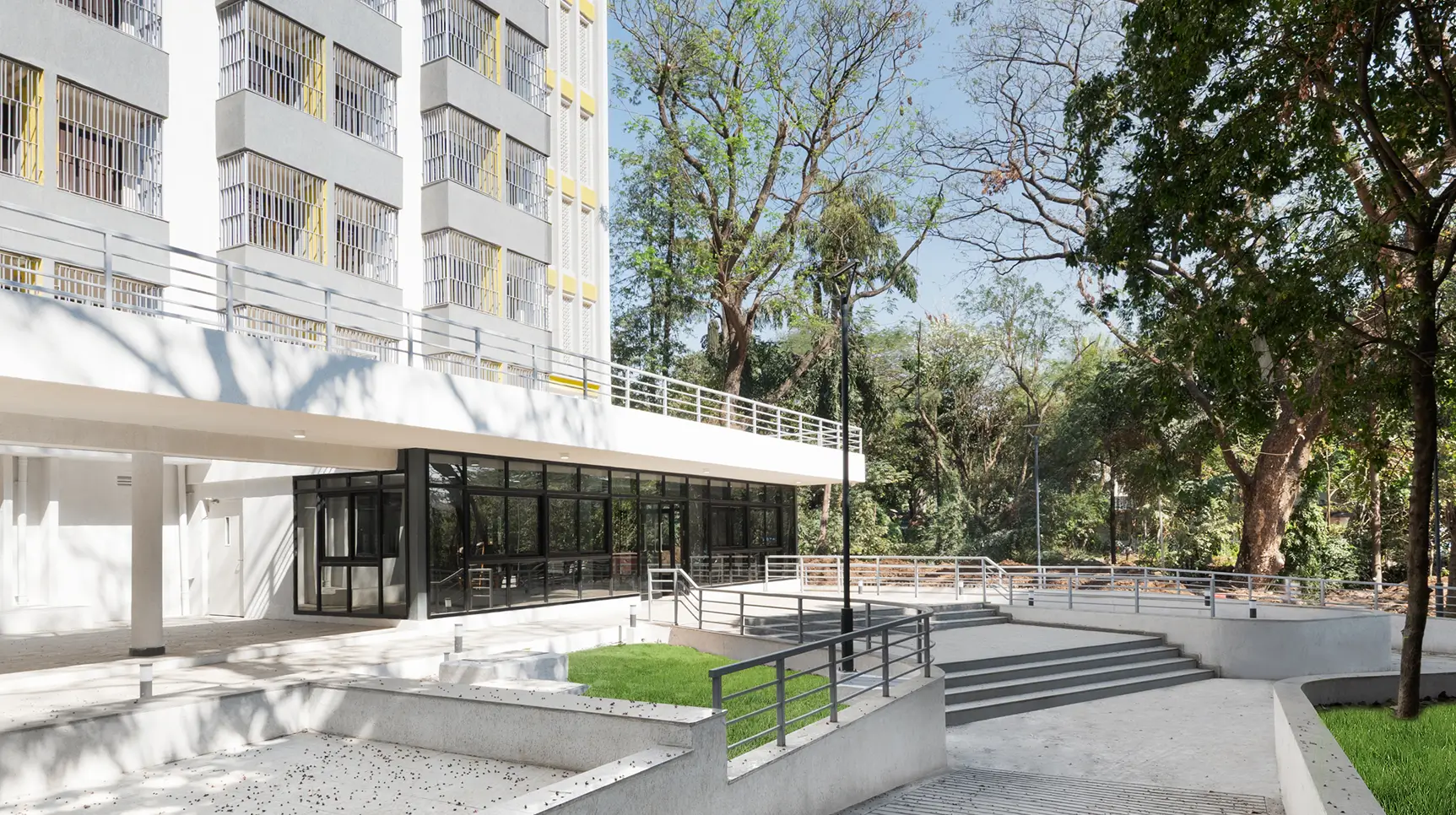
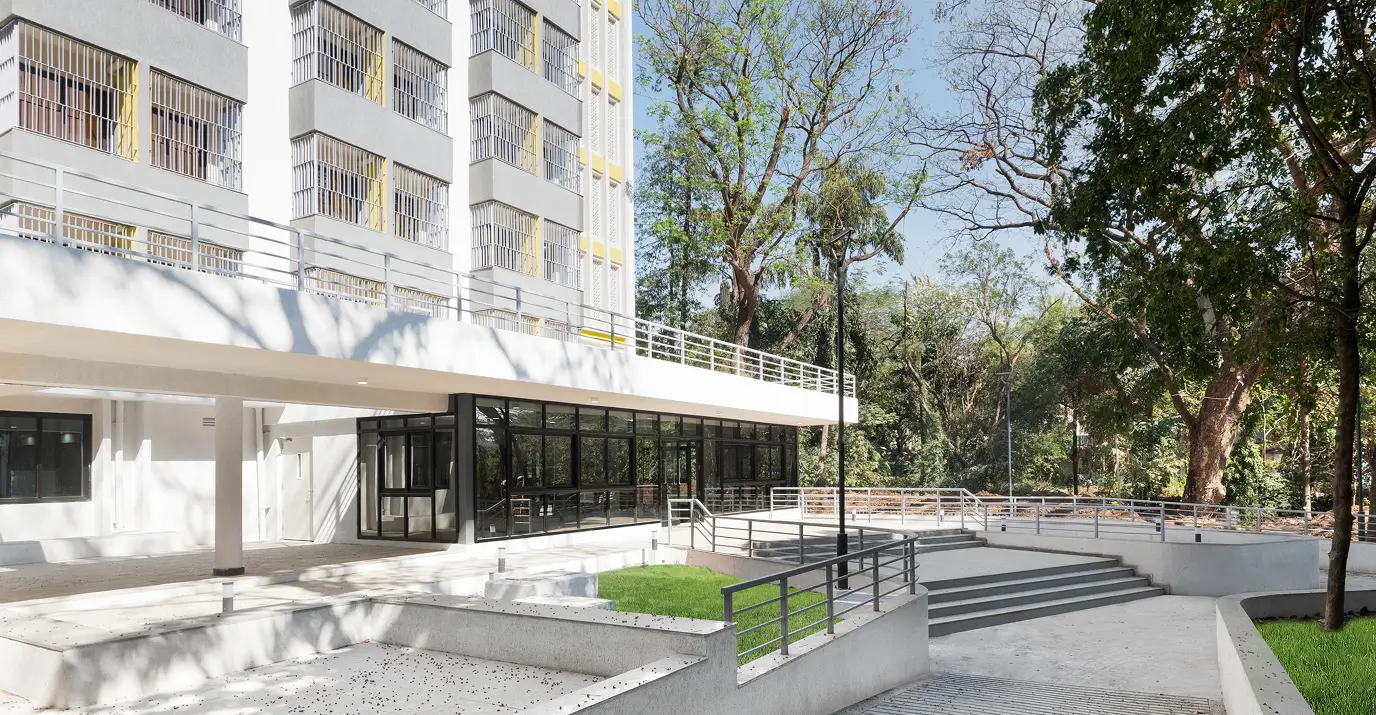
Within a compact footprint, each room is designed to feel open, efficient, and personal, with clean zoning, integrated storage, and a balcony that extends the living space outward. Beyond the rooms, the hostel unfolds into a series of shared experiences, a double height dining hall filled with natural light, shaded terraces, breakout zones, and landscaped courtyards.
These spaces are designed to support more than routine, encouraging connection, pause, and a sense of belonging. The hostel ultimately becomes a place where wellness is not prescribed, but naturally embedded into daily life.
Credits
Project Team
Ex SSA
Picture Credits